Future-Proofing Your Vehicle: Smart Electronics Integration and Compatibility
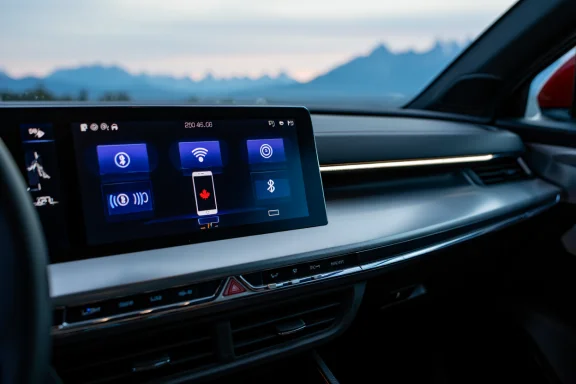
The automotive landscape is changing faster than a prairie thunderstorm, eh. With electric vehicles gaining traction across Canada and smart car technologies becoming standard from coast to coast, many Canadian drivers are wondering how to prepare their current rides for tomorrow’s tech. Whether you’re cruising the Sea-to-Sky Highway or navigating downtown Toronto traffic, future-proofing your vehicle’s electronics isn’t just smart – it’s essential for maintaining resale value and staying connected in our digital world.
Understanding Today’s Automotive Technology Landscape
Modern vehicles are rolling computers with wheels, and this trend is accelerating across Canadian roads. Transport Canada’s recent reports show that over 85% of new vehicles sold nationwide now include some form of connected technology. From basic Bluetooth connectivity to advanced driver assistance systems (ADAS), today’s cars pack more computing power than the entire Apollo mission.
The key players in automotive electronics have shifted dramatically. Traditional automakers now partner with tech giants like Google, Apple, and Amazon to deliver seamless integration experiences. For Canadian consumers, this means your 2018 Honda Civic might feel ancient compared to a 2025 model’s tech capabilities.
Current connectivity standards include Android Auto, Apple CarPlay, and various proprietary infotainment systems. However, emerging technologies like 5G connectivity, over-the-air updates, and vehicle-to-everything (V2X) communication are rapidly becoming mainstream features.
Essential Upgrade Pathways for Canadian Vehicles
Connectivity Foundation Upgrades
Start with the basics that’ll serve you well from Whitehorse to Halifax. A quality aftermarket head unit with Android Auto and Apple CarPlay compatibility forms the backbone of any smart vehicle upgrade. Look for units supporting wireless connectivity – nobody wants to fumble with cables during a Canadian winter while wearing mitts.
Professional installation matters here, folks. Licensed Automotive Electronic Accessory Technicians understand the complexity of modern vehicle networks. DIY installations might save a few loonies upfront, but improper integration can cause network conflicts that’ll cost more than a Leafs season ticket to fix.
Advanced Driver Assistance Integration
Dash cameras have become increasingly popular among Canadian drivers, especially given our challenging winter driving conditions. Modern systems offer features like collision detection, lane departure warnings, and GPS tracking. When selecting these systems, ensure they’re compatible with your vehicle’s existing safety features.
Blind spot monitoring systems and parking sensors can be retrofitted to most vehicles manufactured after 2010. These upgrades not only enhance safety during those notorious Canadian winter parking situations but also increase your vehicle’s resale value significantly.
Power and Charging Infrastructure
USB-C charging ports are becoming the standard, replacing the USB-A ports found in older vehicles. Upgrading your vehicle’s charging infrastructure prepares it for future devices while providing faster charging capabilities for current smartphones and tablets.
Consider wireless charging pads for compatible devices. These systems integrate cleanly into existing interiors and eliminate the cable clutter that accumulates faster than snow in February.
Compatibility Considerations for Long-Term Success
Network Architecture Understanding
Modern vehicles use Controller Area Network (CAN) bus systems for communication between components. Any aftermarket electronics must integrate properly with these networks to avoid conflicts. Professional installers use specialized diagnostic tools to ensure compatibility before installation.
Different vehicle manufacturers use varying network protocols. Ford’s SYNC system operates differently than Toyota’s Entune or GM’s OnStar platform. Understanding these differences prevents costly compatibility issues down the road.
Future Connectivity Standards
5G integration is coming to Canadian vehicles faster than you might expect. Major carriers like Rogers, Bell, and Telus are expanding their 5G networks across urban and rural Canada. Vehicles equipped with 5G modems will access faster data speeds, improved navigation accuracy, and enhanced streaming capabilities.
Vehicle-to-Infrastructure (V2I) communication is being tested in Canadian cities including Toronto, Vancouver, and Montreal. This technology allows vehicles to communicate with traffic lights, road sensors, and other infrastructure elements to optimize traffic flow and improve safety.
Investment Strategies and Budget Planning
Tiered Approach to Upgrades
Smart vehicle upgrades work best when implemented in phases. Start with essential connectivity upgrades (Android Auto/Apple CarPlay head unit) that provide immediate benefits and broad compatibility. This foundation typically costs between $800-1,500 including professional installation.
Phase two includes safety enhancements like dash cameras, blind spot monitoring, and parking assistance systems. Budget $1,200-2,500 for comprehensive safety upgrades depending on your vehicle’s existing features.
Advanced integration features like wireless charging, premium audio systems, and smart home connectivity represent phase three investments. These luxury additions typically range from $1,500-4,000 but provide the most noticeable daily improvements.
Protecting Your Investment
Choose reputable brands with strong Canadian support networks. Companies like Pioneer, Kenwood, and Alpine maintain service centers across Canada and stock replacement parts for years after purchase. This support network becomes crucial when you need repairs in Saskatoon rather than shipping components to overseas manufacturers.
Warranty coverage matters more than you might think. Professional installation typically includes workmanship warranties, while quality components offer manufacturer warranties covering defects and premature failures.
Preparing for Emerging Technologies
Electric Vehicle Readiness
Even if you’re not ready to go electric today, preparing your current vehicle for hybrid or EV conversion technologies makes financial sense. Battery management systems, regenerative braking interfaces, and electric motor controllers are becoming more sophisticated and affordable.
Installing high-capacity alternators and upgraded electrical systems provides the foundation for future electric assist technologies. These upgrades also support high-powered audio systems and multiple device charging scenarios.
Autonomous Driving Preparation
While fully autonomous vehicles aren’t quite ready for Canadian winters, semi-autonomous features are becoming standard. Adaptive cruise control, automatic emergency braking, and lane-keeping assistance can be retrofitted to many vehicles with proper professional installation.
These systems require careful calibration to account for Canadian driving conditions including snow-covered lane markings, reduced visibility, and varying road surface conditions from province to province.
Making Smart Long-Term Decisions
Future-proofing your vehicle requires balancing current needs with anticipated technology developments. Focus on upgrades that provide immediate benefits while maintaining compatibility with emerging standards. Professional consultation helps identify which modifications offer the best return on investment for your specific vehicle and driving patterns.
The automotive electronics landscape will continue evolving rapidly, but vehicles equipped with quality foundational systems adapt more easily to new technologies. By investing in professional installation and reputable components today, you’re positioning your vehicle to remain competitive and functional for years to come.
Ready to start future-proofing your ride? Contact certified automotive electronics professionals in your area to discuss upgrade options that fit your budget and driving needs. Your future self will thank you when you’re still enjoying cutting-edge connectivity while others are dealing with outdated systems.