Digital Presence in the Fitness Industry: 2025 Trends
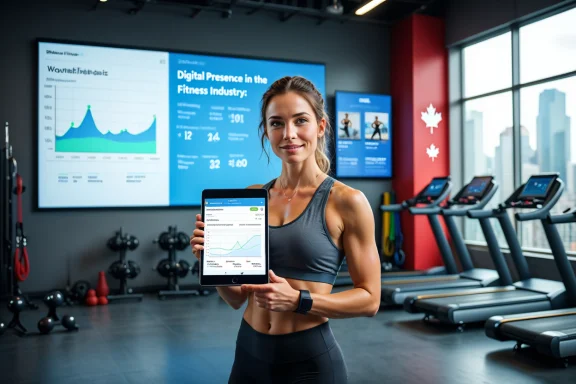
The Canadian fitness industry has undergone a digital revolution that accelerated dramatically during the pandemic and continues evolving in 2025. From boutique studios in Vancouver’s Yaletown to community gyms in rural Saskatchewan, fitness professionals are discovering that digital presence isn’t just about marketing—it’s about building communities, delivering value, and creating sustainable business models that serve clients both in-person and online.
Today’s successful fitness businesses understand that digital engagement extends far beyond posting workout videos on Instagram. The most effective fitness professionals use integrated digital strategies that combine education, motivation, community building, and seamless service delivery. Whether you’re a personal trainer working out of a Vaughan community center or running a CrossFit box in Calgary, your digital presence directly impacts client acquisition, retention, and business growth.
Platform-Specific Strategies Driving Results
Instagram: The Visual Powerhouse for Fitness Content
Instagram remains the dominant platform for fitness marketing in Canada, but success requires understanding platform evolution and algorithm changes:
Short-Form Video Dominance: Reels continue driving the highest engagement rates, with fitness transformation videos, quick workout demos, and behind-the-scenes content performing exceptionally well. Canadian fitness influencers are finding success with 15-30 second workout snippets that viewers can easily follow along.
Stories for Real-Time Engagement: Instagram Stories provide intimate, authentic connection opportunities. Successful fitness professionals use Stories for daily check-ins, nutrition tips, client spotlights, and live Q&A sessions. The temporary nature reduces pressure for perfect content while maintaining consistent visibility.
Community Building Through User-Generated Content: Encouraging clients to share their progress photos, workout videos, and success stories creates authentic social proof while building community connections. Toronto-based fitness studios particularly excel at creating branded hashtags that clients proudly use.
TikTok: Capturing Younger Canadian Demographics
TikTok’s explosive growth among Canadian Gen Z and millennial users makes it essential for fitness businesses targeting younger demographics:
Educational Micro-Content: Quick form corrections, nutrition myths debunked, and “day in the life” content performs exceptionally well. Fitness professionals who can distill complex information into engaging 60-second videos are building massive followings.
Trending Audio Integration: Successfully incorporating trending sounds and music into fitness content increases visibility dramatically. Canadian fitness creators often localize trending audio with Canadian references or winter workout adaptations.
Challenge Creation and Participation: Fitness challenges naturally fit TikTok’s format. Creating signature workouts, mobility challenges, or transformation challenges can generate viral content and attract new clients organically.
YouTube: Long-Form Content for Serious Engagement
YouTube’s role in fitness marketing continues growing, particularly for businesses wanting to establish thought leadership and provide comprehensive value:
Workout Series and Programs: Full-length workout videos, program previews, and structured fitness series generate consistent viewership and subscriber growth. Canadian yoga instructors and personal trainers are finding success with seasonal content (summer beach body prep, winter indoor workouts).
Educational Deep-Dives: Detailed explanations of exercise science, nutrition principles, and injury prevention provide lasting value that positions creators as experts. This content performs well in search and generates long-term traffic.
Client Success Story Documentation: Video testimonials and transformation documentaries create powerful emotional connections while demonstrating real results. These videos often become businesses’ most effective marketing tools.
LinkedIn: Professional Networking for Fitness Entrepreneurs
Often overlooked in fitness marketing, LinkedIn provides unique opportunities for business-to-business connections and professional development:
Industry Thought Leadership: Sharing insights about fitness trends, business strategies, and industry challenges builds professional credibility. This approach particularly benefits fitness professionals seeking corporate wellness contracts or speaking opportunities.
Networking with Healthcare Professionals: Building relationships with physiotherapists, nutritionists, and medical professionals can generate valuable referral relationships that benefit all parties.
B2B Service Marketing: Personal trainers offering corporate fitness programs or group fitness instructors seeking facility partnerships find LinkedIn invaluable for reaching decision-makers.
Content Types Generating Maximum Engagement
Transformation and Progress Documentation
Canadian fitness audiences consistently engage most with authentic transformation content:
Real Client Stories: Documenting actual client journeys, including struggles and setbacks, creates emotional connections that polished advertising cannot match. Toronto-based trainer success stories often include overcoming winter motivation challenges that resonate with Canadian audiences.
Behind-the-Scenes Process: Showing the work behind transformations—meal prep sessions, challenging workout moments, and mindset coaching—builds trust and demonstrates value beyond visible results.
Progress Celebration: Highlighting non-scale victories, strength improvements, and lifestyle changes appeals to broader audiences than traditional before/after photos while building inclusive fitness communities.
Educational Content That Builds Authority
Fitness professionals building lasting businesses focus heavily on educational content:
Myth-Busting and Fact-Checking: Addressing common fitness misconceptions builds credibility while providing valuable information. Canadian-specific topics might include winter exercise safety or navigating hockey training schedules.
Exercise Form and Safety: Proper technique demonstrations prevent injuries while showcasing expertise. These videos often achieve long-term search visibility and establish creators as reliable resources.
Nutrition Education: Simple, practical nutrition advice that accounts for Canadian food availability, cultural preferences, and seasonal eating patterns resonates strongly with local audiences.
Community-Building Interactive Content
Successful fitness brands prioritize community engagement over follower counts:
Live Workout Sessions: Regular live classes maintain connection with existing clients while attracting new followers. Many Canadian fitness professionals schedule live sessions during typical gym hours to capture commuter audiences.
Challenge Participation: Creating and joining fitness challenges builds community while generating consistent content. Seasonal challenges (winter fitness motivation, summer activity goals) align with Canadian lifestyle patterns.
Q&A and Educational Sessions: Regular ask-me-anything sessions, form check opportunities, and educational deep-dives position fitness professionals as accessible experts while building authentic relationships.
Emerging Technology Integration
AI-Powered Personalization
Artificial intelligence is transforming how fitness businesses deliver personalized experiences:
Automated Workout Customization: AI platforms help trainers create personalized programs at scale, allowing small businesses to serve more clients effectively while maintaining quality standards.
Progress Tracking Integration: Smart integration between fitness apps, wearable devices, and social media creates seamless user experiences that encourage continued engagement and progress sharing.
Content Recommendation Systems: AI helps fitness businesses deliver relevant content to different audience segments, improving engagement rates and conversion potential.
Virtual and Augmented Reality Applications
While still emerging, VR/AR technology is beginning to impact Canadian fitness marketing:
Immersive Workout Previews: 360-degree gym tours and virtual class experiences help potential clients make informed decisions about in-person visits.
Form Analysis Technology: AR applications that provide real-time form feedback are becoming marketing tools that demonstrate technological sophistication and commitment to client safety.
Virtual Personal Training: High-end personal trainers are experimenting with VR training sessions that provide personalized attention without geographic limitations.
Data-Driven Marketing Strategies
Analytics-Based Content Optimization
Successful fitness businesses use data to refine their digital strategies continuously:
Engagement Pattern Analysis: Understanding when audiences are most active, which content types generate responses, and what topics drive sharing helps optimize posting schedules and content creation priorities.
Conversion Tracking: Monitoring which digital touchpoints lead to actual client acquisition helps fitness businesses invest resources in channels that generate real business results rather than just vanity metrics.
Client Journey Mapping: Understanding how prospects move from social media discovery to paying clients helps optimize each stage of the digital marketing funnel.
Personalization Through Customer Segmentation
Advanced fitness marketers segment their audiences for more targeted messaging:
Demographic-Based Content: Creating different content streams for various age groups, fitness levels, and life situations (new parents, seniors, students) improves relevance and engagement.
Goal-Oriented Messaging: Segmenting audiences by fitness goals (weight loss, strength building, general health) allows for more targeted and effective communication strategies.
Geographic Customization: Canadian fitness businesses benefit from location-specific content that addresses regional preferences, climate challenges, and cultural considerations.
Community Building and Client Retention
Online Community Management
Digital fitness success increasingly depends on community building rather than just content broadcasting:
Private Group Creation: Facebook groups, Discord servers, or dedicated app communities provide spaces for deeper client relationships and peer support that enhance retention.
Member Spotlight Programs: Regularly featuring client achievements, milestones, and stories builds community pride while providing authentic marketing content.
Peer Support Facilitation: Encouraging community members to support each other creates valuable connections that extend beyond the fitness professional’s direct involvement.
Integrated Online-Offline Experiences
The most successful Canadian fitness businesses seamlessly blend digital and physical experiences:
Digital Check-In Systems: QR codes for class registration, progress tracking apps, and digital workout logging create tech-forward experiences that appeal to younger demographics.
Hybrid Class Offerings: Simultaneously serving in-person and online participants maximizes reach while accommodating varying comfort levels and schedules.
Community Events Documentation: Sharing highlights from in-person events, workshops, and social gatherings on digital platforms builds FOMO and encourages participation.
Monetization Through Digital Channels
Diversified Revenue Stream Development
Smart fitness professionals use digital presence to create multiple income sources:
Online Program Sales: Structured workout programs, nutrition guides, and educational courses provide scalable income that isn’t limited by physical capacity or geographic location.
Subscription-Based Content: Monthly programs, exclusive content access, or premium community memberships create recurring revenue that stabilizes business finances.
Digital Personal Training: One-on-one virtual sessions expand market reach beyond local geography while commanding premium pricing for personalized attention.
Corporate Wellness Integration
Digital presence opens corporate wellness opportunities:
LinkedIn Professional Networking: Building relationships with HR professionals and corporate decision-makers through professional content and networking generates lucrative corporate contracts.
Virtual Corporate Programs: Offering lunchtime fitness sessions, wellness workshops, or team building activities via video conferencing creates high-value B2B opportunities.
Employee Wellness Content: Creating content specifically for workplace wellness programs demonstrates understanding of corporate needs while showcasing service capabilities.
Regulatory and Professional Considerations
Canadian Fitness Industry Standards
Digital marketing must align with professional standards and regulatory requirements:
Scope of Practice Compliance: Fitness professionals must ensure their digital content stays within their certification boundaries, particularly regarding nutrition advice and injury treatment recommendations.
Privacy and Data Protection: Canadian privacy legislation affects how fitness businesses collect, store, and use client data for marketing purposes.
Professional Insurance Considerations: Liability coverage must extend to digital services, online coaching, and virtual training sessions.
Truth in Advertising Standards
Canadian advertising standards apply to fitness marketing across all digital platforms:
Result Claims and Disclaimers: Before/after photos, transformation claims, and success stories must include appropriate disclaimers about typical results.
Testimonial Authenticity: Client testimonials and reviews must be genuine and representative of actual experiences.
Promotional Compliance: Contest rules, promotional offers, and incentive programs must comply with Canadian consumer protection regulations.
The digital fitness landscape continues evolving rapidly, with successful businesses adapting their strategies based on platform changes, audience preferences, and technological advances. The key to sustained success lies in building authentic relationships, providing genuine value, and maintaining consistency across all digital touchpoints.
Canadian fitness professionals who embrace data-driven decision making, prioritize community building, and integrate digital strategies with exceptional in-person service are positioning themselves for long-term success in an increasingly competitive market. The future belongs to fitness businesses that understand digital presence as a relationship-building tool rather than just a marketing channel.
Ready to elevate your fitness business’s digital presence? Start by auditing your current platforms, analyzing your audience engagement patterns, and developing a content strategy that aligns with your business goals and client needs. The digital fitness revolution isn’t coming—it’s here, and your success depends on how effectively you embrace it.