Building an Effective Homepage for Personal Trainers
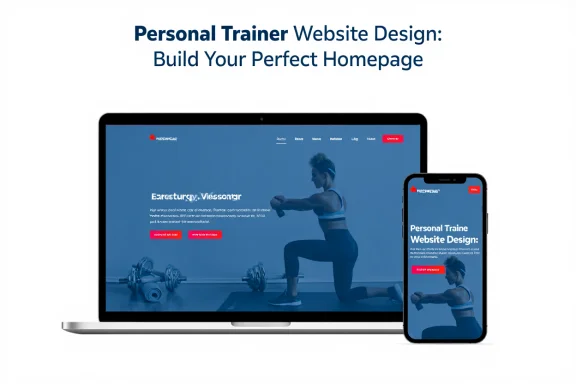
Your homepage is your digital storefront – the first impression potential clients get of your personal training business. In Canada’s competitive fitness market, where over 6.8 million adults regularly engage personal trainers according to Statistics Canada, standing out online isn’t just helpful – it’s essential for survival.
Whether you’re training clients in Vancouver’s outdoor fitness scene or running a studio in downtown Toronto, your homepage needs to work as hard as you do. A well-designed homepage can be the difference between booking three clients a week or thirty. Let’s build you a website that turns browsers into booked sessions.
Essential Homepage Elements That Convert Visitors to Clients
Hero Section: Make Your First Impression Count
Your hero section – the first thing visitors see – has about 3 seconds to capture attention. This isn’t the place for generic stock photos of people doing bicep curls.
Must-Have Hero Elements:
- Clear, professional headshot of you in action
- Compelling headline that addresses your target client’s main pain point
- Simple value proposition (what makes you different?)
- Prominent call-to-action button for booking consultations
Example Hero Headline: “Get Stronger, Fitter, and More Confident – Personal Training That Actually Works in [Your City]”
Service Descriptions That Sell Results, Not Features
Don’t just list what you do – explain what clients will achieve. Instead of “60-minute training sessions,” try “Transform your fitness in focused one-hour sessions designed around your busy schedule.”
Effective Service Structure:
- Problem identification (addresses client pain points)
- Solution explanation (your training approach)
- Expected outcomes (what they’ll achieve)
- Pricing transparency (builds trust, reduces friction)
Testimonials and Success Stories: Social Proof That Works
Canadians trust peer recommendations more than advertising. Your testimonials section should showcase real results from real people – preferably locals who potential clients can relate to.
Powerful Testimonial Elements:
- Before/after photos (with permission)
- Specific results achieved (“lost 25 pounds in 4 months”)
- Client’s full name and general location
- Video testimonials when possible
Pro Tip: Include testimonials from different demographics. A busy Toronto executive’s testimonial resonates differently than a Saskatchewan mom’s transformation story.
Mobile Optimization: Training Your Website for Canadian Mobile Users
The Mobile-First Reality
Over 85% of Canadians access fitness websites primarily through mobile devices. Your homepage must look and function flawlessly on smartphones, or you’re losing clients before they even contact you.
Critical Mobile Elements:
- Touch-friendly buttons (minimum 44px tap targets)
- Fast loading times (under 3 seconds on 3G networks)
- Readable fonts (16px minimum for body text)
- Streamlined navigation (hamburger menus work well)
Canadian Mobile Considerations
Consider how Canadians actually use their phones to find fitness services:
- Quick Google searches during lunch breaks
- Browsing while commuting on public transit
- Checking reviews and pricing while at current gym
- Booking sessions on-the-go between appointments
Your mobile homepage should accommodate these usage patterns with easily scannable content and one-tap booking options.
Local SEO Strategies for Canadian Personal Trainers
Dominating Local Search Results
When someone in Calgary searches “personal trainer near me,” you want to be the first result. Local SEO ensures you’re visible when potential clients are actively looking for training services.
Essential Local SEO Elements:
- Google My Business optimization (complete profile, regular updates)
- Location-specific keywords (“personal trainer Kitchener” vs generic terms)
- Local business schema markup (helps search engines understand your location)
- City/neighborhood pages (separate pages for different service areas)
Canadian-Specific Local SEO Tips
Province-Level Targeting: Create content addressing provincial health initiatives. Ontario’s focus on mental health through fitness, Alberta’s outdoor activity emphasis, or BC’s wellness culture.
Seasonal Content: Leverage Canada’s distinct seasons. “Summer beach body prep,” “Winter indoor training programs,” or “New Year fitness resolutions” all have strong local search potential.
Community Involvement: Partner with local businesses, sponsor community events, or offer workplace wellness programs. These activities generate local backlinks and increase regional search visibility.
Booking and Scheduling Integration: Remove Friction from Client Acquisition
Streamlined Appointment Booking
Every click between a visitor and a booked session is an opportunity to lose a potential client. Your homepage should make booking as simple as ordering a double-double at Timmies.
Effective Booking Features:
- Prominent “Book Now” buttons (above the fold, multiple locations)
- Real-time availability (shows open time slots immediately)
- Service selection (allows pre-qualification of client needs)
- Automated confirmations (reduces no-shows, builds professionalism)
Payment Processing for Canadian Trainers
Integrate secure payment processing that accepts Canadian payment methods:
- Interac e-Transfer compatibility
- Major credit card processing (Visa, Mastercard)
- Package and membership payment options
- Transparent pricing (including applicable taxes)
Content Strategy: Positioning Yourself as the Local Fitness Expert
Educational Content That Builds Trust
Your homepage should hint at deeper expertise through valuable content. This isn’t about lengthy blog posts – it’s about demonstrating knowledge that builds confidence in your services.
Homepage Content Ideas:
- Quick tip videos (30-60 seconds, easily consumable)
- Exercise of the week (showcases expertise, encourages return visits)
- Local fitness challenges (builds community, generates engagement)
- Nutrition tips for Canadians (addresses seasonal eating, local food preferences)
Addressing Canadian Fitness Concerns
Different regions face unique fitness challenges:
- Urban centers: Time constraints, stress management, air quality concerns
- Rural areas: Limited gym access, seasonal activity restrictions
- Northern communities: Vitamin D deficiency, long winter months
- Coastal regions: Weather variability, outdoor activity opportunities
Tailor your homepage messaging to address the specific challenges your local market faces.
Technical Performance: Speed and Functionality
Loading Speed Optimization
A slow homepage kills conversions faster than a January gym membership abandonment. Canadian internet speeds vary significantly by region, so your site must perform well even on slower connections.
Speed Optimization Checklist:
- Compress images (use WebP format when possible)
- Minimize HTTP requests
- Enable browser caching
- Use a Canadian content delivery network (CDN)
- Optimize for Core Web Vitals metrics
Accessibility Standards
Ensure your homepage meets Canadian accessibility guidelines:
- Alt text for all images
- Keyboard navigation support
- Color contrast compliance
- Screen reader compatibility
Measuring Success: Analytics That Matter
Key Performance Indicators for Trainer Websites
Track metrics that directly correlate to business success:
- Consultation bookings (primary conversion goal)
- Contact form submissions (secondary conversion)
- Phone call tracking (many clients prefer calling)
- Local search visibility (position for key terms)
- Mobile user experience (bounce rate, session duration)
Canadian Market Benchmarks
Typical conversion rates for fitness websites in Canada range from 2-5%. If you’re converting below 2%, your homepage needs work. Above 5% indicates strong market positioning and effective messaging.
Bringing It All Together: Your Homepage Success Formula
Creating an effective personal trainer homepage isn’t about following every trend – it’s about understanding your local market and removing barriers between potential clients and booked sessions.
Focus on these three core principles: clear communication of your value, easy booking process, and mobile-first design. Everything else is enhancement, not foundation.
Your homepage should work like your best training session – focused, results-oriented, and leaving people wanting to come back for more. When someone lands on your page, they should immediately understand what you do, why you’re different, and how to get started.
Ready to build a homepage that works as hard as you do? Start with one element at a time, test everything with real users, and remember – your website is never finished, just like your fitness journey.