Dealer vs Independent Installation: Cost Analysis and Quality Comparison
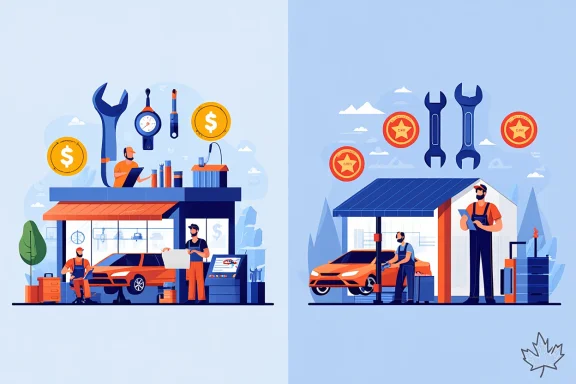
When your brand-new F-150 needs a remote starter installed before another brutal Canadian winter, you’ve got a choice to make. Head back to the dealership where you bought it, or find a certified independent shop down the street? It’s like choosing between Tim Hortons and the local coffee roastery – both serve coffee, but the experience and price point are worlds apart.
This decision affects more than just your wallet. We’re talking about warranty coverage, installation quality, and whether you’ll be driving a properly functioning vehicle or dealing with electrical gremlins for months. Let’s break down the real costs and quality differences so you can make the smartest choice for your situation and budget.
The True Cost Breakdown: What You’re Really Paying For
Dealer Pricing Structure
Canadian dealerships operate with significant overhead costs that directly impact their pricing. A typical automotive dealership carries massive facility costs, extensive inventory, and multiple layers of management. These expenses get passed down to customers through higher labour rates and parts markup.
Labour rates at Canadian dealerships typically range from $140-180 per hour, depending on the brand and location. Toronto-area BMW dealers might charge $180/hour, while a Honda dealer in Winnipeg could be closer to $140/hour. This rate covers not just the technician’s time, but facility costs, equipment financing, and dealership profit margins.
Parts markup represents another significant cost factor. Dealerships often mark up aftermarket accessories by 100-300% over wholesale pricing. That $400 remote starter kit might cost the dealer $150, but you’ll pay the full retail price plus installation fees.
Independent Shop Economics
Licensed independent automotive electronics specialists operate with dramatically different cost structures. Lower overhead, direct supplier relationships, and competitive market pressure create substantial savings opportunities for consumers.
Labour rates at certified independent shops typically range from $80-120 per hour across Canada. A qualified Automotive Electronic Accessory Technician in London, Ontario might charge $95/hour compared to $165/hour at the local Ford dealer – nearly a 40% difference.
Parts pricing becomes significantly more competitive. Independent shops often work directly with distributors or maintain relationships with multiple suppliers, allowing them to offer genuine OEM parts at wholesale-plus pricing rather than full retail markup.
Installation Quality: Certifications and Standards
Dealer Installation Capabilities
Dealership technicians receive brand-specific training and have access to manufacturer technical support. However, automotive electronics installation often falls outside their core expertise. Many dealer technicians primarily handle warranty repairs and maintenance rather than aftermarket accessory installation.
Certification levels vary significantly among dealer technicians. While they’re certified for that specific brand’s vehicles, they may lack specialized training in aftermarket electronics integration. Some installations get subcontracted to external companies, adding another layer of complexity.
Quality control at dealerships typically follows manufacturer procedures, but aftermarket installations don’t always fit neatly into these protocols. The result can be inconsistent quality depending on which technician performs the work.
Independent Specialist Advantages
Certified independent shops focusing on automotive electronics bring specialized expertise that general automotive technicians simply don’t possess. In Ontario, licensed Automotive Electronic Accessory Technicians must pass provincial certification requirements specifically designed for this work.
Specialized training means these technicians live and breathe automotive electronics daily. They understand vehicle communication systems, proper wire routing, and integration challenges across multiple vehicle brands. This specialization translates to cleaner installations and fewer complications.
Experience volume gives independent specialists significant advantages. While a dealership might install a few remote starters monthly, a dedicated electronics shop might complete dozens, building expertise across various vehicle types and installation scenarios.
Warranty Coverage: Understanding Your Protection
Manufacturer Warranty Implications
One of the biggest concerns about independent installation involves potential warranty issues. However, Canadian consumer protection laws provide important safeguards that many consumers don’t fully understand.
The Magnuson-Moss Warranty Act principles, which influence Canadian warranty law, prevent manufacturers from voiding warranties simply because you used aftermarket parts or independent service providers. They must prove that the aftermarket installation directly caused the specific failure.
Proper documentation becomes crucial regardless of where you have work performed. Ensure all installations are documented with photos, parts specifications, and technician certifications. This protects you whether problems arise from the original installation or unrelated vehicle issues.
Installation Warranties
Independent shops often provide longer installation warranties than dealerships. While a dealer might offer 90 days on aftermarket accessory installation, certified independent shops frequently provide 1-2 year warranties covering both parts and labour.
Comprehensive coverage from specialists typically includes troubleshooting, adjustments, and even removal if needed. Dealerships may charge diagnostic fees for warranty work that independent shops include in their service commitment.
Service Experience and Customer Relationships
Dealership Service Model
Canadian dealerships operate on volume-based service models designed around scheduled maintenance and warranty repairs. Aftermarket installations represent additional revenue but often receive lower priority scheduling.
Appointment availability can be challenging, especially during peak seasons when everyone wants remote starters installed. Booking 2-3 weeks out isn’t uncommon at busy dealerships, particularly in prairie provinces where remote starters are essential equipment.
Communication styles tend to be more formal and process-driven. You’ll likely deal with service advisors rather than the actual technicians, creating potential communication gaps about specific installation requirements or concerns.
Independent Shop Personal Service
Smaller independent operations typically provide more personalized service experiences. You often work directly with the shop owner or lead technician, ensuring clear communication about your specific needs and concerns.
Flexible scheduling allows independent shops to accommodate urgent requests or work around customer schedules more easily. Need your remote starter installed before that weekend trip to Muskoka? Independent shops are more likely to find a solution.
Ongoing relationships develop naturally when you work with the same shop for multiple vehicles or future needs. This relationship often translates to better pricing, priority scheduling, and personalized service recommendations.
Real-World Cost Comparisons
Remote Starter Installation Example
Consider a remote starter installation for a 2022 Toyota RAV4 in Calgary:
Dealership Option:
- Parts: $650 (retail markup)
- Labour: 3 hours @ $155/hour = $465
- Total: $1,115 + taxes
Independent Shop Option:
- Parts: $425 (wholesale-plus pricing)
- Labour: 2.5 hours @ $105/hour = $262.50
- Total: $687.50 + taxes
The independent installation saves over $400 while potentially providing superior specialization and longer warranty coverage.
Vehicle Security System Comparison
For a complete security system installation on a 2023 Ford F-150:
Dealership pricing typically runs $1,200-1,800 depending on feature complexity and brand requirements.
Independent specialist pricing ranges from $750-1,200 for comparable systems and features, often with more flexible customization options.
Making the Smart Choice for Your Situation
Choose dealership installation when you’re financing aftermarket accessories through the vehicle purchase, need work completed immediately for warranty purposes, or prefer the security of brand-name service relationships regardless of cost.
Select independent installation when cost efficiency matters, you want specialized expertise, prefer personalized service, or need flexible scheduling. The combination of lower costs, specialized knowledge, and better warranty coverage makes independent shops the smart choice for most Canadian consumers.
Research thoroughly regardless of your choice. Verify certifications, read reviews, and ask detailed questions about warranty coverage and installation procedures. A few hours of research can save hundreds of dollars and months of frustration.
The best installation is one performed by qualified technicians using quality parts with comprehensive warranty coverage – whether that happens at a dealership or independent shop depends on finding the right combination of expertise, service, and value for your specific needs.
Ready to move forward with your automotive electronics installation? Contact certified professionals in your area, compare quotes that include parts and labour breakdowns, and choose the option that provides the best long-term value for your investment.