Understanding Vehicle Electronics: How Modern Cars Communicate
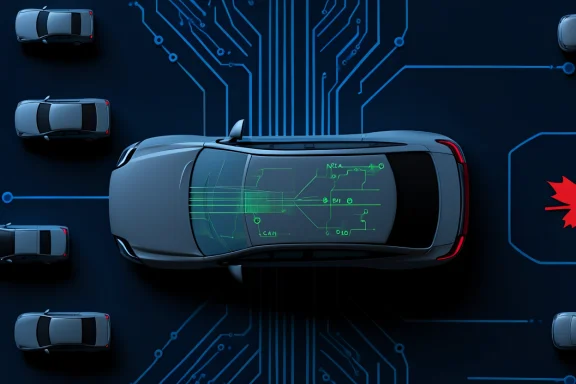
Your 2020 Honda CR-V contains more computing power than the computers that guided Apollo 11 to the moon. But instead of calculating rocket trajectories, these systems are constantly chattering away about everything from engine temperature to whether your seatbelt is fastened. Understanding this electronic conversation is crucial whether you’re installing a remote starter in Winnipeg’s -40°C winter or troubleshooting why your new sound system isn’t playing nice with your vehicle’s factory settings.
Modern vehicles aren’t just mechanical machines with some electronics bolted on – they’re sophisticated networks of computers that make the internet look simple. Every time you turn the key (or push the start button), dozens of electronic modules spring to life and start exchanging thousands of messages per second. This communication network affects everything from fuel efficiency to aftermarket accessory compatibility.
The CAN Bus Revolution: Your Car’s Nervous System
What is a CAN Bus System?
Controller Area Network (CAN) bus technology transformed automotive electronics from isolated components into integrated communication networks. Think of it as your vehicle’s internal internet – except instead of cat videos and social media updates, the messages contain critical information about engine performance, safety systems, and comfort features.
CAN bus architecture allows multiple electronic control units (ECUs) to communicate using just two wires, dramatically reducing the complexity and weight of vehicle wiring harnesses. Before CAN bus systems, each electronic component required dedicated wiring to communicate with other systems – imagine the nightmare of wire routing in a modern F-150 with over 100 electronic modules.
Message prioritization ensures critical safety communications get through first. If your anti-lock braking system needs to communicate with the engine management system during emergency braking, that message takes priority over requests to adjust the seat position or change radio stations.
How Vehicle Networks Actually Work
Modern Canadian vehicles typically operate multiple CAN bus networks at different speeds and priorities. The high-speed CAN bus handles time-critical functions like engine management, transmission control, and safety systems, operating at 500 kilobits per second or faster.
Medium-speed networks manage body control functions like lighting, climate control, and power accessories. These systems can tolerate slight delays without affecting safety or performance, so they operate at 125-250 kilobits per second.
Low-speed networks handle convenience features like infotainment systems, navigation, and comfort settings. These networks prioritize functionality over speed, often running at 33-125 kilobits per second.
Gateway modules connect these different networks, translating messages between high-speed and low-speed systems while maintaining security and preventing unauthorized access to critical vehicle functions.
The Impact on Aftermarket Installation Procedures
Why Your Dad’s Installation Methods Don’t Work Anymore
Installing aftermarket electronics in modern vehicles requires understanding how new components will interact with existing communication networks. The days of simply splicing into power and ground wires are long gone – today’s installations require integration with sophisticated electronic systems.
Bypass modules and interfaces become necessary for most aftermarket installations. That remote starter installation on your 2022 Toyota Camry requires a specific bypass module that communicates with the vehicle’s immobilizer system using the correct digital handshake protocols.
Programming and configuration steps now form essential parts of professional installation. Simply connecting wires doesn’t complete the job – the aftermarket system must be programmed to work within the vehicle’s existing communication protocols.
Professional Installation Requirements
Diagnostic capabilities separate qualified technicians from general automotive workers. Modern aftermarket installation requires scan tools capable of reading vehicle-specific communication protocols and identifying potential conflicts before they cause problems.
Manufacturer-specific knowledge becomes crucial as each automotive brand implements CAN bus systems differently. The installation procedure for a remote starter in a Ford differs significantly from the same installation in a Honda, even when using identical aftermarket equipment.
Update procedures ensure aftermarket systems remain compatible as vehicle software evolves. Many modern vehicles receive over-the-air updates that can affect aftermarket system compatibility, requiring professional monitoring and occasional reprogramming.
Communication Protocols and Compatibility Issues
Understanding Different Communication Languages
Vehicle manufacturers implement various communication protocols within their CAN bus networks. Ford’s approach differs from General Motors’ methods, which vary from Toyota’s implementation – even though all use CAN bus technology as the foundation.
Proprietary protocols protect manufacturer interests while creating challenges for aftermarket compatibility. These specialized communication methods require specific interface modules and programming procedures for successful integration.
Security features built into modern communication systems prevent unauthorized access to critical vehicle functions. While this protects against theft and tampering, it also complicates legitimate aftermarket installations.
Real-World Compatibility Challenges
Immobilizer integration presents the most common compatibility issue for aftermarket installations. Modern Canadian vehicles include sophisticated anti-theft systems that must recognize and authorize any aftermarket electronics attempting to control vehicle functions.
Data bus conflicts occur when aftermarket systems attempt to communicate using incorrect protocols or at inappropriate message frequencies. These conflicts can cause anything from minor inconvenience to complete system failures.
Power management issues arise when aftermarket systems don’t properly integrate with vehicle power management networks. Modern vehicles use sophisticated power distribution strategies that aftermarket systems must respect to avoid draining batteries or causing electrical problems.
Specific Canadian Vehicle Considerations
Cold Weather Impact on Electronics
Canadian winter conditions create unique challenges for vehicle communication systems. Temperature extremes can affect the reliability of electronic communications, requiring aftermarket installations to account for expanded operating temperature ranges.
Battery performance variations in cold weather impact the power available for communication systems. Professional installations must ensure aftermarket electronics function properly even when battery voltage drops during extreme cold starts.
Moisture and corrosion concerns from road salt and winter conditions require special attention to connection integrity and protection methods for aftermarket installations.
Popular Canadian Vehicle Models
Ford F-150 installations require specific knowledge of Ford’s network architecture and security protocols. The popularity of this vehicle in Canada makes understanding its communication systems essential for installation professionals.
Honda CR-V and Civic models use Honda’s unique approach to CAN bus implementation. These vehicles require specific bypass modules and programming procedures that differ from domestic alternatives.
Toyota RAV4 and Camry installations involve Toyota’s sophisticated immobilizer integration and network security features. Professional installation requires manufacturer-specific diagnostic capabilities and interface modules.
Troubleshooting Modern Vehicle Electronics
Diagnostic Approaches
Systematic diagnosis starts with understanding the vehicle’s normal communication patterns before identifying anomalies caused by aftermarket installations. Professional scan tools can monitor CAN bus traffic to identify conflicts or communication errors.
Isolation techniques help identify whether problems stem from aftermarket installations or existing vehicle issues. This diagnostic approach protects both installer and customer by clearly establishing problem sources.
Documentation requirements become critical for warranty protection and future service. Professional installations include detailed records of communication protocols, interface modules, and programming procedures used.
Common Problem Resolution
Communication timeouts often indicate incorrect interface module selection or programming errors. Resolution requires verifying compatibility and reprogramming using correct procedures for the specific vehicle and aftermarket system combination.
Intermittent operation frequently results from power management conflicts or improper integration with vehicle sleep modes. Professional diagnosis identifies the specific communication issue and implements appropriate corrections.
System conflicts between aftermarket installations and factory features require professional expertise to resolve without compromising vehicle functionality or safety systems.
Future-Proofing Your Vehicle Electronics
Emerging Communication Technologies
Ethernet networks are beginning to appear in luxury vehicles and will eventually migrate to mainstream models. These high-speed networks will require new installation techniques and compatibility considerations for aftermarket electronics.
Wireless communication integration will change how aftermarket systems interact with vehicle networks. Understanding these evolving technologies helps consumers make smart long-term decisions about aftermarket investments.
Over-the-air updates will continue affecting aftermarket compatibility, requiring ongoing professional support to maintain proper system integration as vehicle software evolves.
Making Smart Installation Decisions
Professional consultation becomes more valuable as vehicle electronics increase in complexity. The cost of professional installation often pays for itself by avoiding compatibility problems and ensuring proper system integration.
Quality component selection matters more than ever when dealing with sophisticated vehicle communication systems. Cheap aftermarket electronics may save money initially but often cause expensive problems with modern vehicle networks.
Long-term support considerations should influence installation decisions. Choose professionals who understand evolving vehicle technologies and can provide ongoing support as systems change.
The Bottom Line for Canadian Vehicle Owners
Modern vehicle electronics represent sophisticated communication networks that require professional expertise for successful aftermarket integration. Understanding these systems helps consumers make informed decisions about installations and service providers.
The days of simple electrical connections are gone, replaced by complex communication protocols that demand specialized knowledge and professional-grade diagnostic equipment. This complexity makes choosing qualified installation professionals more important than ever.
Investment protection requires working with certified technicians who understand vehicle communication systems and can ensure aftermarket installations integrate properly without compromising reliability or warranty coverage.
Your vehicle’s electronic communication network works tirelessly to ensure safe, efficient operation in Canada’s challenging climate conditions. Respecting this complexity through professional installation and service ensures your aftermarket investments enhance rather than compromise your driving experience.
Ready to add aftermarket electronics to your modern vehicle? Choose certified professionals who understand vehicle communication systems and can ensure proper integration with your car’s sophisticated electronic network. It’s the smart way to enhance your vehicle while protecting your investment.