Winter Car Care: Why Remote Starters Are Essential in Canadian Climate
Introduction
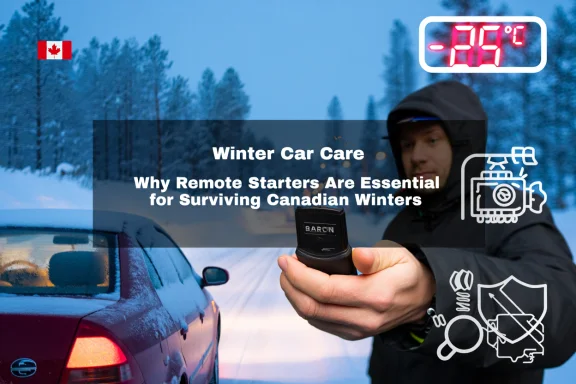
Picture this: It’s 6:30 AM on a February morning in Winnipeg, and the thermometer reads -35°C. Your car has been sitting outside all night, covered in frost thick enough to write your name in. Without a remote starter, you’re looking at ten minutes of scraping, five minutes of shivering while your engine warms up, and another five minutes waiting for the defrost to clear your windshield.
Now imagine pressing a button from your warm kitchen, and by the time you’ve finished your coffee, stepping into a toasty vehicle that’s ready to go. That’s the difference between surviving Canadian winters and actually enjoying them.
But remote starters aren’t just about comfort – though that’s reason enough for most Canadians. They’re about protecting one of your largest investments from the brutal effects of cold-weather starting, improving fuel efficiency, and ensuring reliable transportation when you need it most. Environment and Climate Change Canada reports that most of Canada experiences temperatures below -20°C for extended periods, making remote starters less of a luxury and more of a necessity.
The Science of Cold Weather and Your Engine
What Happens During Cold Starts
When temperatures drop below freezing, your engine oil thickens dramatically – sometimes becoming 10 times more viscous than at normal operating temperature. This thick oil doesn’t flow easily through engine components, creating what engineers call “dry start” conditions where metal surfaces grind against each other with minimal lubrication.
Cold Start Challenges Include:
- Oil viscosity increases exponentially with cold temperatures
- Battery capacity drops by 50% at -18°C
- Fuel doesn’t vaporize efficiently in cold conditions
- Engine tolerances tighten, increasing friction
- Condensation creates moisture problems in exhaust systems
The Canadian Temperature Factor
Unlike moderate climates where occasional cold snaps create temporary problems, Canadian winters subject vehicles to sustained extreme temperatures. Prairie provinces regularly experience weeks of -25°C to -40°C temperatures, while even “mild” Maritime winters still see extended periods below -15°C.
Transport Canada data shows that cold-weather starting accounts for nearly 60% of engine wear in Canadian vehicles, compared to just 20% in temperate climates. This wear directly translates to shorter engine life, more frequent repairs, and higher operating costs.
Remote Starters: Your Engine’s Winter Protection System
How Remote Starters Prevent Cold Damage
Remote starters allow your engine to reach proper operating temperature before you drive, eliminating the most damaging aspect of cold-weather operation. A properly warmed engine circulates thin, protective oil through all components before experiencing load stress.
Protection Benefits Include:
- Oil reaches optimal viscosity before driving begins
- Engine tolerances expand to proper clearances
- Cooling system reaches operating pressure
- Battery maintains full capacity under hood warmth
- Moisture evaporates from exhaust system components
The 10-Minute Rule for Canadian Winters
Most automotive engineers recommend 10-15 minutes of idle warm-up time when temperatures drop below -15°C. This timing allows oil pressure to build, coolant to circulate, and engine temperatures to stabilize – all essential for preventing damage during the critical first few minutes of operation.
Modern Engine Considerations
Today’s engines with tighter tolerances and thinner oils actually benefit more from remote starting than older designs. While manufacturers often claim their engines don’t need warm-up, this guidance typically applies to moderate climates, not Canadian winter conditions.
Fuel Efficiency: The Surprising Economic Benefits
Cold Start Fuel Consumption Reality
Cold engines can consume 12-40% more fuel during the first few kilometers of operation, depending on outside temperature. This increased consumption stems from rich fuel mixtures needed for cold starting, inefficient combustion in cold cylinders, and energy required to warm the engine and cabin.
Fuel Efficiency Factors:
- Cold engines run rich fuel mixtures for up to 10 minutes
- Heating systems draw significant power until engine warms
- Transmission fluid remains thick, increasing drivetrain losses
- Tire pressure drops in cold weather, increasing rolling resistance
Remote Starter Efficiency Advantages
Remote starters actually improve overall fuel efficiency by allowing engines to warm up at idle (using minimal fuel) rather than under load. A 10-minute remote start uses approximately the same fuel as 2-3 minutes of cold-weather driving, but provides much better protection and passenger comfort.
Real-World Canadian Testing
Alberta Transportation conducted extensive testing showing that vehicles with remote starters averaged 8% better fuel economy over winter months compared to identical vehicles without remote starting. The improvement comes from reduced cold-start enrichment periods and more efficient operation once warmed.
Comfort and Safety: Beyond Engine Protection
Defrost and Visibility Benefits
Remote starters paired with automatic climate control can completely defrost windshields and windows before you reach your vehicle. This eliminates the dangerous practice of driving with partially cleared windows and reduces accident risk during winter months.
Safety Improvements Include:
- Complete windshield defrosting before departure
- Side and rear window clearing for full visibility
- Heated seats and steering wheels at comfortable temperatures
- Reduced time spent outside in extreme cold
- Emergency warmth availability during breakdowns
Health and Comfort Considerations
For Canadians with mobility issues, arthritis, or respiratory conditions, remote starters can make the difference between maintaining independence and becoming house-bound during winter months. The ability to enter a warm vehicle significantly reduces cold-weather health risks.
Professional and Family Benefits
Parents appreciate not having to bundle children into freezing car seats, while professionals avoid arriving at important meetings chilled and uncomfortable. The five minutes saved on scraping and warming often proves more valuable than the system’s cost.
Installation Considerations for Canadian Conditions
Professional Installation Requirements
Canadian climate conditions demand professional installation that accounts for extreme temperature variations, moisture protection, and electrical system reliability. DIY installations often fail during the coldest weather when you need them most.
Installation Essentials Include:
- Weatherproof wiring connections and components
- Bypass modules compatible with modern security systems
- Antenna placement optimized for Canadian housing styles
- Integration with factory heating and defrost systems
- Battery protection during extended idle periods
Range and Reliability Factors
Canadian installation environments – from downtown Toronto condos to rural Alberta farmhouses – require different range and reliability considerations. Urban installations face signal interference, while rural installations need maximum range capability.
Vehicle Integration Complexity
Modern vehicles with push-button start, advanced security systems, and integrated electronics require sophisticated bypass modules and programming. Professional installers ensure proper integration without affecting warranty coverage or vehicle reliability.
System Types and Features for Canadian Applications
Basic Remote Start Systems ($300-600)
Entry-level systems provide essential remote starting with 400-800 metre range, adequate for most Canadian residential and workplace applications. These systems typically include basic LCD remotes and essential safety features.
Standard Features:
- Remote engine starting with safety interlocks
- Automatic shutdown timers (10-20 minutes)
- Hood release detection for security
- LED status indicators
- Basic temperature monitoring
Advanced Climate Control Systems ($600-1,200)
Mid-range systems add automatic climate control activation, extended range, and smartphone integration. These systems particularly benefit Canadian drivers who park outdoors or travel frequently.
Enhanced Features:
- Automatic heating, cooling, and defrost activation
- Two-way remote confirmation of successful starts
- Extended range up to 1.5 kilometres
- Multiple vehicle programming capability
- Smartphone app integration for modern convenience
Premium Integrated Solutions ($1,200-2,500)
High-end systems integrate with factory electronics, provide unlimited range through cellular connectivity, and offer comprehensive vehicle monitoring capabilities ideal for Canadian business fleets or luxury vehicles.
Premium Capabilities:
- Unlimited range through cellular networks
- GPS tracking and vehicle location services
- Remote door lock/unlock and security monitoring
- Maintenance alerts and diagnostic information
- Integration with home automation systems
Maintenance and Seasonal Preparation
Pre-Winter System Checks
Annual pre-winter inspections ensure reliable operation during critical cold weather periods. Professional service includes battery testing, range verification, and component inspection.
Essential Maintenance Tasks:
- Remote control battery replacement
- System range and operation testing
- Wiring and connection inspection
- Integration with vehicle systems verification
- Software updates and programming checks
Battery Considerations
Cold weather dramatically reduces battery capacity while remote starting increases electrical demands. Many Canadian installations benefit from battery heaters or upgraded batteries to ensure reliable winter operation.
Summer Storage and Care
Proper summer care extends system life and ensures reliable winter operation. This includes protecting remotes from heat damage and maintaining electrical connections despite seasonal temperature swings.
Legal and Insurance Considerations
Provincial Regulations and Compliance
Most Canadian provinces allow remote starter use with proper safety interlocks, but specific regulations vary. Ontario, for example, requires automatic shutdown systems and prohibits leaving vehicles unattended while running in some municipalities.
Insurance Implications
Many Canadian insurers offer discounts for professionally installed security and remote start systems, recognizing their theft deterrent value. Some policies specifically cover remote starter equipment under comprehensive coverage.
Warranty Protection
Professional installation with proper documentation protects vehicle warranty coverage while providing installation warranties that cover both parts and labor for system-related issues.
Environmental Considerations and Efficiency
Emissions During Idle Time
Modern engines with catalytic converters produce minimal emissions during proper warm-up periods compared to cold-start enrichment phases. Remote starting actually reduces overall emissions by eliminating extended cold-start conditions.
Fuel Consumption Balance
While remote starting uses fuel during warm-up, the improved efficiency during subsequent driving often results in net fuel savings over winter months, particularly for short-trip driving common in Canadian urban areas.
Technology Improvements
New remote start systems incorporate intelligent timing that adjusts warm-up duration based on outside temperature, reducing unnecessary fuel consumption while ensuring adequate engine protection.
Cost-Benefit Analysis for Canadian Drivers
Initial Investment vs. Long-Term Savings
Professional remote starter installation costs $400-1,500 depending on vehicle complexity and features desired. This investment typically pays for itself through reduced engine wear, improved fuel efficiency, and enhanced vehicle reliability.
Economic Benefits Include:
- Reduced engine maintenance and repair costs
- Improved fuel efficiency over winter months
- Higher resale value for vehicles with professional installations
- Insurance discounts for security-equipped vehicles
- Avoided costs from cold-weather breakdown service calls
Regional Cost Considerations
Installation costs vary across Canada based on local competition, vehicle complexity, and feature requirements. Urban areas typically offer more competitive pricing, while rural installations may require additional range or specialized equipment.
Choosing the Right System for Your Situation
Urban vs. Rural Applications
City dwellers often prioritize compact remotes and smartphone integration, while rural Canadians need maximum range and reliability in extreme conditions. Professional installers can recommend systems optimized for specific use patterns.
Vehicle Type Considerations
Different vehicles present unique installation challenges and opportunities. Luxury vehicles often integrate beautifully with factory systems, while work trucks may require more robust aftermarket solutions.
Family and Lifestyle Factors
Families with young children particularly benefit from cabin pre-heating, while commuters appreciate the time savings and comfort improvements. Consider your specific winter driving patterns when selecting features.
Conclusion
Remote starters aren’t just convenient accessories for Canadian drivers – they’re essential protection systems that preserve your vehicle investment while making winter driving safer and more comfortable. The combination of engine protection, fuel efficiency improvements, and comfort benefits creates compelling value that pays dividends throughout every Canadian winter.
The key is choosing a system appropriate for your specific needs and ensuring professional installation that accounts for Canadian climate extremes. Whether you’re dealing with Yukon cold snaps or Nova Scotia ice storms, a quality remote starter system transforms winter driving from an ordeal into a manageable part of life.
Consider that most Canadians will experience hundreds of cold starts each winter over their vehicle’s lifetime. Each unprotected cold start causes measurable engine wear, while remote starting virtually eliminates this damage. The math is simple: modest investment in remote starting technology pays substantial dividends in engine longevity, reliability, and driving comfort.
Modern remote starters have evolved far beyond simple engine starting to become comprehensive climate management systems. With smartphone integration, automatic climate control, and intelligent timing systems, today’s remote starters offer convenience and protection that makes them essential equipment for Canadian vehicles.
Ready to protect your vehicle and enhance your winter driving experience? Contact certified automotive electronics professionals in your area for personalized remote starter recommendations and professional installation that delivers reliable performance through every Canadian winter.