Quality Control in Automotive Installation: Testing Procedures and Standards
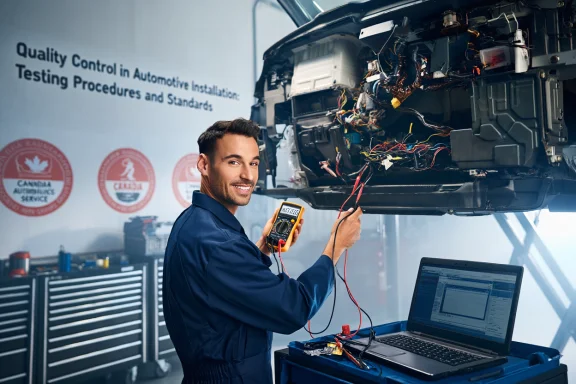
When you’re investing your hard-earned loonies in automotive electronics, you want to know the installation is done right the first time, eh? From remote starters helping you warm up during those brutal Prairie winters to premium audio systems for your cross-country road trips, proper quality control separates professional installations from garage hack jobs. Across Canada, from St. John’s to Victoria, certified automotive electronics technicians follow rigorous testing procedures that ensure your investment performs reliably for years to come.
The stakes are higher than you might think. Poor installation can cause everything from dead batteries to complete vehicle electrical system failures. Transport Canada and provincial licensing bodies have established strict standards for automotive electronics installation, but understanding these requirements helps you choose the right installer and know what to expect from professional service.
Industry Standards and Certification Framework
Provincial Licensing Requirements
In Canada, automotive electronics installation falls under provincial jurisdiction, with each region maintaining specific certification requirements. Ontario’s College of Trades requires Automotive Electronic Accessory Technicians to complete formal apprenticeship programs and pass comprehensive examinations covering electrical theory, vehicle systems integration, and safety protocols.
British Columbia, Alberta, and other provinces maintain similar standards through their respective trade certification bodies. These programs typically require 4,000-6,000 hours of supervised experience plus classroom instruction covering topics like CAN bus integration, immobilizer systems, and proper testing procedures.
Licensed technicians must also complete continuing education requirements to maintain their certifications. This ongoing training keeps installers current with emerging vehicle technologies and evolving industry standards as manufacturers introduce new security protocols and communication systems.
National Standards Organizations
The Canadian Standards Association (CSA) works with industry partners to develop installation standards that ensure consistent quality across the country. These standards cover everything from wire gauge requirements to proper grounding techniques and environmental protection measures.
CSA standards also address electromagnetic compatibility (EMC) requirements, ensuring aftermarket electronics don’t interfere with vehicle safety systems or violate Industry Canada regulations for radio frequency emissions. Professional installers must verify compliance during testing procedures to maintain legal operation.
The Automotive Aftermarket Industry Association (AAIA) provides additional guidance on best practices, working closely with manufacturers to establish testing protocols that protect both installer liability and customer investments.
Remote Starter Testing Procedures
Pre-Installation System Analysis
Professional remote starter installation begins long before any wires are cut. Certified technicians perform comprehensive vehicle system analysis using specialized diagnostic equipment to identify potential compatibility issues and determine optimal integration points.
Modern vehicles use complex anti-theft systems that must be properly bypassed or integrated with remote starter modules. This process requires manufacturer-specific bypass modules and programming procedures that vary significantly between Ford’s PATS system, GM’s VATS technology, and Chrysler’s SKIM immobilizers.
Temperature monitoring becomes crucial for Canadian installations. Remote starters must include safeguards preventing engine damage during extreme cold conditions while ensuring reliable operation down to -40°C, common across Prairie provinces and northern territories.
Functional Testing Standards
Complete remote starter testing involves multiple operational cycles under various conditions. Technicians verify proper engine start sequences, idle duration controls, and automatic shutdown safety features during initial testing phases.
Range testing ensures reliable operation across expected distances. Professional installations typically achieve 500-800 meter range in open areas, with reduced performance in urban environments due to radio frequency interference. Testing must account for Canadian geographic challenges including terrain variations and extreme weather impacts on signal propagation.
Safety interlocks receive particular attention during testing. Remote starters must prevent operation when the vehicle is in gear, when hood or brake pedal sensors detect unsafe conditions, or when engine temperature exceeds safe parameters. These failsafes protect both vehicle and operator safety in all operating conditions.
Environmental Stress Testing
Canadian climate conditions demand extensive environmental testing protocols. Remote starter installations must function reliably through temperature swings from summer highs above 35°C to winter lows below -35°C across most populated regions.
Moisture resistance testing ensures components remain functional during spring thaw conditions, summer humidity, and winter condensation cycles. Professional installations include proper sealing and drainage considerations that prevent water ingress into sensitive electronic components.
Vibration testing simulates long-term vehicle operation across Canadian road conditions, from smooth highways to rough gravel roads common in rural and resource-extraction regions. Components must maintain secure mounting and reliable connections throughout expected vehicle service life.
Vehicle Security System Quality Assurance
Alarm System Integration Testing
Modern vehicle security systems integrate with factory anti-theft systems rather than operating independently. Testing procedures verify proper communication between aftermarket alarms and existing vehicle networks without triggering false alerts or compromising factory warranty coverage.
Sensor calibration requires precise adjustment to Canadian environmental conditions. Door sensors must remain reliable despite temperature-induced vehicle body expansion and contraction, while shock sensors need calibration that distinguishes between attempted break-ins and normal urban vibrations from construction or heavy traffic.
Siren placement and volume testing ensures compliance with municipal noise bylaws while providing effective deterrent capabilities. Many Canadian municipalities restrict siren volumes and operating duration, requiring careful system configuration during installation.
Anti-Theft System Performance Verification
Professional installations include comprehensive testing of all security system inputs and outputs. This includes door sensors, hood and trunk monitors, ignition detection, and any additional sensors like glass break detectors or motion sensors.
Battery backup systems receive particular attention during Canadian installations. Security systems must maintain operation during extended periods without vehicle operation, common during winter storage or extended travel periods. Backup power systems require testing under temperature extremes to ensure reliable operation.
Remote monitoring capabilities, increasingly popular in connected vehicle applications, require cellular or satellite communication testing. These systems must maintain reliable connectivity across Canada’s diverse geographic regions, including areas with limited cellular coverage.
Audio System Quality Control
Electrical System Integration
Professional audio installations begin with comprehensive electrical system analysis to ensure adequate power delivery and proper grounding. Modern vehicle electrical systems operate on tight tolerances that aftermarket equipment must respect to avoid interference or damage.
Amplifier installations require careful power distribution analysis. High-output systems can stress vehicle charging systems, particularly during cold weather when engine efficiency decreases and electrical loads increase from heating systems and lighting.
Ground loop elimination becomes critical in quality audio installations. Professional testing identifies and eliminates sources of electrical noise that can cause audible interference or system instability. This process requires specialized equipment and systematic testing procedures.
Acoustic Performance Testing
Audio system testing goes beyond simple functionality checks to include comprehensive acoustic analysis. Professional installers use sound level meters and spectrum analyzers to verify proper frequency response and eliminate acoustic distortions.
Speaker placement optimization considers vehicle-specific acoustic challenges. Each vehicle interior creates unique acoustic environments that require careful tuning to achieve optimal sound quality. Testing includes measurements at multiple listening positions to ensure consistent performance throughout the passenger compartment.
Phase alignment testing ensures multiple speakers work together cohesively rather than creating cancellation effects that reduce audio quality. This process requires specialized test equipment and systematic measurement procedures across the audible frequency spectrum.
System Protection and Reliability Testing
Thermal management testing ensures amplifiers and other components remain within safe operating temperatures during extended high-output operation. Canadian summers can create challenging thermal environments, particularly in direct sunlight exposure common during cross-country travel.
Overcurrent protection systems receive thorough testing to ensure proper operation without nuisance shutdowns during normal operation. These systems must protect expensive components while allowing maximum performance under normal operating conditions.
Long-term reliability testing simulates years of operation through accelerated testing procedures. This includes thermal cycling, vibration exposure, and electrical stress testing that identifies potential failure modes before customer delivery.
Documentation and Warranty Standards
Installation Documentation Requirements
Professional installations include comprehensive documentation covering all modifications, connections, and system configurations. This documentation proves essential for warranty claims, future service work, and vehicle resale considerations.
Wiring diagrams specific to each installation provide roadmaps for future troubleshooting or system modifications. These documents must be detailed enough for other qualified technicians to understand and service the installation years later.
Component serial numbers, installation dates, and technician certifications create accountability and traceability for quality control purposes. This documentation also supports warranty claims and demonstrates professional installation practices.
Testing Certification and Validation
Completed installations receive comprehensive testing certification documenting all verification procedures and results. These certificates provide customers with confidence in system reliability while protecting installer liability through documented compliance with industry standards.
Performance testing results become part of permanent installation records. This includes range testing results for remote starters, sensitivity settings for security systems, and acoustic measurements for audio installations. Customers receive copies of all testing documentation.
Follow-up testing protocols ensure continued system performance after initial installation. Professional installers typically schedule 30-day follow-up inspections to verify continued proper operation and address any issues that develop during initial use periods.
Quality Assurance Best Practices
Technician Training and Certification
Ongoing technician education ensures installation teams remain current with evolving vehicle technologies and manufacturer requirements. This training covers new vehicle communication protocols, updated bypass procedures, and emerging diagnostic techniques.
Certification maintenance requires regular testing and continuing education credits. Professional installers invest significantly in maintaining current certifications that demonstrate competency with latest installation techniques and industry standards.
Quality control systems include peer review processes where senior technicians verify junior technician work before customer delivery. This mentorship approach ensures consistent quality standards while developing next-generation installer expertise.
Customer Communication and Education
Professional installations include customer education covering proper system operation, maintenance requirements, and warranty coverage. This education prevents misuse that could compromise system performance or void warranty protection.
Testing demonstrations allow customers to verify proper system operation before taking delivery. This process builds confidence in installation quality while ensuring customers understand all system features and limitations.
Ongoing support protocols provide customers with clear procedures for addressing questions or concerns after installation. Professional installers maintain support systems that ensure long-term customer satisfaction and system performance.
The difference between professional automotive electronics installation and amateur work becomes clear in the testing procedures and quality standards. When you’re investing in remote starters, security systems, or premium audio equipment, insist on certified technicians who follow established testing protocols and provide comprehensive documentation.
Quality installation pays dividends through years of reliable operation, maintained vehicle warranties, and optimized system performance. Don’t trust your investment to shortcuts – proper testing and quality control protect both your vehicle and your wallet for years to come.