The Business of Automotive Electronics: Industry Trends and Market Analysis
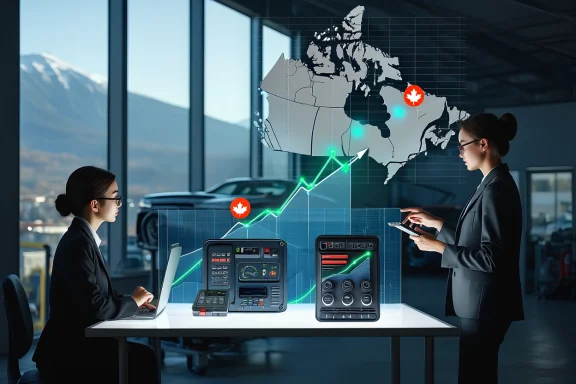
The automotive electronics aftermarket in Canada is revving up like a muscle car at Mosport, and the numbers tell a story that’ll make any entrepreneur sit up and take notice. From coast to coast to coast, Canadian consumers are investing more heavily in aftermarket electronics than ever before, creating opportunities that stretch from downtown Toronto installation shops to mobile service providers serving rural Saskatchewan communities. Whether you’re considering entering this market or looking to expand your existing automotive electronics business, understanding current trends and consumer behavior patterns is crucial for success in this rapidly evolving industry.
Statistics Canada’s latest data shows the automotive aftermarket generated over $12.8 billion in revenue nationally in 2024, with electronics and accessories representing the fastest-growing segment at 23% year-over-year growth. This expansion significantly outpaces traditional automotive service categories, signaling a fundamental shift in how Canadians interact with their vehicles.
Market Growth Patterns and Revenue Drivers
Segment Performance Analysis
Remote car starters continue dominating the Canadian aftermarket electronics landscape, accounting for approximately 35% of total installation revenue across the country. This dominance makes perfect sense given our climate – anyone who’s scraped ice off their windshield at 6 AM in Winnipeg understands the value proposition immediately.
The remote starter market shows distinct seasonal patterns that savvy business owners leverage for revenue optimization. Installation bookings typically surge 400% between September and November as Canadians prepare for winter, creating predictable cash flow cycles that support business planning and inventory management.
Security systems represent the second-largest segment at roughly 28% of market share, driven primarily by urban demand in major metropolitan areas. Vancouver, Toronto, and Montreal show particularly strong security system adoption rates, correlating with higher vehicle theft statistics and insurance premium considerations.
Audio system installations, while traditionally strong, now comprise about 22% of the market as factory audio quality has improved significantly. However, premium audio installations targeting enthusiasts and commercial vehicle operators continue showing solid growth, particularly in the $2,500+ price range.
Geographic Market Variations
Atlantic Canada demonstrates unique market characteristics with higher adoption rates for marine electronics integration, reflecting the region’s coastal lifestyle and fishing industry presence. Remote starters show year-round demand rather than the seasonal patterns seen in other regions, likely due to consistent maritime climate conditions.
Prairie provinces drive the highest per-capita spending on automotive electronics, with Alberta leading at an average $1,847 per installation. This reflects both higher disposable income levels and harsh climate conditions that make comfort and convenience features particularly valuable.
British Columbia shows strong growth in eco-friendly automotive electronics, including hybrid vehicle accessories and electric vehicle charging solutions. Vancouver and Victoria lead adoption of smart charging systems and energy management accessories as EV ownership continues expanding.
Ontario represents the largest total market volume but shows more conservative per-transaction spending, averaging $1,234 per installation. The competitive landscape includes numerous players, creating pricing pressure that affects margin structures across the province.
Consumer Preference Evolution
Technology Integration Priorities
Modern Canadian consumers increasingly prioritize smartphone integration above standalone features. Android Auto and Apple CarPlay compatibility has shifted from premium option to basic expectation, fundamentally changing how consumers evaluate aftermarket electronics purchases.
Voice control functionality shows particularly strong adoption among Canadian consumers, likely reflecting our bilingual culture and the practical benefits during winter driving when gloved hands make touchscreen interaction challenging. Systems supporting both English and French voice commands command premium pricing in Quebec markets.
Wireless connectivity features consistently rank higher than traditional wired solutions in consumer preference surveys. Canadians show willingness to pay 15-25% premiums for wireless charging, wireless CarPlay/Android Auto, and wireless audio streaming capabilities.
Security features emphasizing smartphone notifications and remote monitoring capabilities appeal strongly to urban consumers, while rural customers prioritize extended range and offline functionality that works reliably in areas with limited cellular coverage.
Price Sensitivity and Value Perception
Canadian consumers demonstrate sophisticated understanding of value propositions in automotive electronics purchases. Price sensitivity varies significantly between urban and rural markets, with rural customers showing greater willingness to invest in premium features due to limited service availability and longer replacement cycles.
Warranty coverage influences purchase decisions more heavily in Canada than in many other markets, likely reflecting climate-related reliability concerns and the practical challenges of accessing service in remote areas. Extended warranty packages routinely add 8-12% to transaction values.
Professional installation commands strong perceived value, with 73% of Canadian consumers preferring certified technician installation despite availability of DIY options. This preference creates stable revenue streams for service providers while supporting premium pricing for professional installation services.
Bundle pricing strategies show particular effectiveness in Canadian markets. Consumers frequently upgrade to comprehensive packages when presented with logical feature combinations, especially during seasonal promotion periods.
Technological Advancement Impact
Electric Vehicle Influence
The growing Canadian EV market is reshaping automotive electronics demand patterns in fundamental ways. Traditional remote starters require adaptation for hybrid and electric vehicles, creating both challenges and opportunities for aftermarket providers.
EV-specific accessories like smart charging systems, battery monitoring displays, and cabin pre-conditioning controls represent emerging high-margin opportunities. Early adopters show willingness to invest significantly in accessories that optimize their electric vehicle experience.
Charging infrastructure integration creates new business opportunities for automotive electronics specialists. Home charging system installation and smart grid integration services command premium pricing while requiring specialized training and certification.
Battery management systems and range optimization accessories appeal particularly to Canadian EV owners concerned about cold-weather performance impacts. These solutions often command higher margins than traditional automotive electronics due to their specialized nature and limited competition.
Connected Vehicle Integration
Vehicle-to-everything (V2X) communication technology is beginning to influence Canadian aftermarket electronics purchasing patterns. Early adopters seek systems that integrate with smart city infrastructure being deployed in major metropolitan areas.
Over-the-air update capability has become a significant differentiator in premium aftermarket electronics. Consumers increasingly expect their aftermarket systems to receive feature updates and improvements throughout their service life, similar to smartphone experiences.
Integration with home automation systems shows growing demand, particularly among tech-savvy consumers in urban markets. Systems that connect vehicle electronics with smart home platforms command premium pricing and demonstrate strong customer loyalty.
Cloud-based services and subscription models are gaining traction in the Canadian market, though adoption remains cautious compared to other technology categories. Successful implementations focus on clear value delivery rather than recurring revenue optimization.
Competitive Landscape Analysis
Market Consolidation Trends
The Canadian automotive electronics aftermarket shows increasing consolidation as smaller independent shops face pressure from national chains and mobile service providers. Large retailers like Canadian Tire and specialty chains leverage purchasing power to maintain competitive pricing while offering comprehensive service networks.
Franchise opportunities in automotive electronics installation have expanded significantly, with several national brands offering turnkey business packages for entrepreneurs entering the market. These franchises provide training, inventory management, and marketing support that individual operators struggle to match.
Mobile installation services represent a growing competitive threat to traditional shop-based operations. These services appeal to time-conscious consumers and can operate with lower overhead costs, though they face limitations in complex installations requiring specialized equipment.
Online retailers increasingly compete with traditional installers by offering DIY-friendly products and installation guides. However, warranty limitations and complexity of modern vehicle integration continue favoring professional installation for most consumers.
Differentiation Strategies
Specialization in specific vehicle brands or technology categories allows smaller operators to compete effectively against larger competitors. Expertise in luxury vehicle electronics or commercial fleet installations can command premium pricing and build customer loyalty.
Customer service excellence becomes increasingly important as product commoditization continues. Businesses emphasizing consultation, education, and ongoing support differentiate themselves from transaction-focused competitors.
Warranty and service capabilities provide sustainable competitive advantages. Businesses offering comprehensive warranty coverage and responsive service support build customer loyalty that withstands pricing pressure from competitors.
Technology partnerships with manufacturers create opportunities for exclusive product access and enhanced support resources. These relationships often provide marketing cooperation and technical training that smaller competitors cannot access independently.
Business Model Evolution
Service Integration Opportunities
Successful automotive electronics businesses increasingly integrate complementary services to maximize customer lifetime value. Window tinting, paint protection, and detailing services create natural cross-selling opportunities that increase transaction values and customer retention.
Fleet services represent high-value opportunities for businesses equipped to handle commercial accounts. Fleet customers typically require volume installations, maintenance contracts, and specialized reporting that command premium pricing structures.
Insurance partnerships create revenue opportunities through security system installations that qualify customers for premium discounts. These arrangements often include marketing cooperation and streamlined approval processes that benefit all parties.
Seasonal service packages help smooth revenue fluctuations while providing customers with convenient maintenance programs. These packages often include pre-winter system checks, battery replacements, and software updates.
Technology Investment Requirements
Modern automotive electronics businesses require significant technology investments to remain competitive. Diagnostic equipment, programming tools, and specialized installation equipment represent substantial capital requirements that smaller operators find challenging.
Training and certification costs continue escalating as vehicle technology becomes more sophisticated. Businesses must invest in ongoing technician education to maintain certification and access to manufacturer support resources.
Inventory management systems become crucial as product variety expands and customer expectations for immediate availability increase. Businesses need sophisticated systems to balance inventory investment with service level requirements.
Customer relationship management (CRM) systems provide essential capabilities for managing leads, scheduling, and follow-up services. These systems become particularly important as businesses scale beyond single-location operations.
Future Market Outlook
Growth Projections and Opportunities
Industry analysts project continued strong growth in the Canadian automotive electronics aftermarket, with 15-18% annual growth expected through 2027. This growth will be driven primarily by technology advancement and increasing consumer comfort with aftermarket modifications.
Autonomous vehicle preparation represents an emerging opportunity as consumers begin investing in technologies that prepare their vehicles for semi-autonomous features. Advanced driver assistance system (ADAS) integration and sensor installation services will likely command premium pricing.
Subscription-based services and ongoing support contracts provide opportunities for recurring revenue that reduces dependence on installation transactions. Businesses developing these capabilities early will likely capture competitive advantages as the market matures.
Cross-border opportunities may expand as trade relationships stabilize and certification reciprocity improves. Canadian businesses with specialized expertise may find opportunities in northern US markets with similar climate considerations.
The Canadian automotive electronics aftermarket presents compelling opportunities for businesses positioned to serve evolving consumer needs and technological advancement. Success requires understanding regional market variations, investing in technology and training, and developing service capabilities that differentiate from commodity competitors.
Whether you’re operating an established business looking to expand or considering entering this dynamic market, focusing on customer education, professional service delivery, and strategic technology investments will position you for success in this growing industry.
Ready to capitalize on these market trends? Start by analyzing your local competitive landscape and identifying underserved customer segments where your expertise can command premium pricing and build lasting customer relationships.