Automotive Electronics Repair: When Replacement Isn’t the Only Option
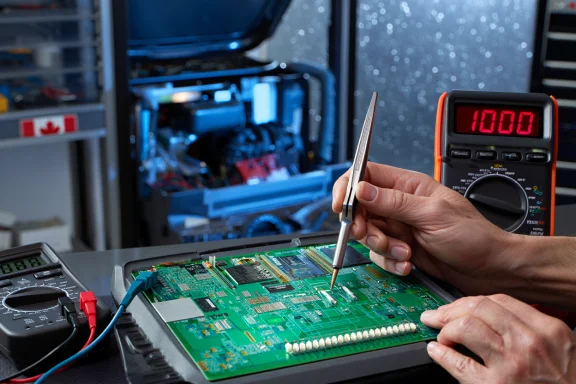
When your remote starter stops working on a -25°C February morning in Winnipeg, or your vehicle’s sound system starts cutting out during your commute through Vancouver traffic, the knee-jerk reaction is often “time for a replacement.” However, skilled automotive electronics repair can often restore functionality at a fraction of replacement cost, extending the life of quality components while keeping more money in your pocket.
The automotive electronics repair industry has evolved significantly as vehicles become increasingly sophisticated. What once required complete component replacement can now often be addressed through targeted repairs, circuit board refurbishment, and component-level troubleshooting. Understanding when repair makes sense versus replacement can save Canadian drivers hundreds or even thousands of dollars.
Common Repairable Electronic Components
Remote Car Starters: Beyond Simple Battery Changes
Remote car starters face unique challenges in Canada’s harsh climate. Components that fail don’t always require complete system replacement:
Antenna Issues: Poor range or intermittent operation often stems from damaged antenna connections rather than transmitter failure. Professional diagnosis can identify loose connections, corroded terminals, or damaged antenna wire that costs pennies to repair versus hundreds for system replacement.
Bypass Module Problems: Engine immobilizer bypass modules occasionally develop communication errors with vehicle computers. Skilled technicians can often reflash firmware or repair specific circuit paths rather than replacing the entire module.
Control Unit Repairs: Water damage from snow melting around installation points can affect circuit boards. Professional cleaning, component replacement, and protective coating application often restore full functionality.
Vehicle Security Systems: Targeted Component Repair
Modern vehicle security systems integrate multiple sensors, control modules, and communication devices. Individual component failure doesn’t necessitate complete system replacement:
Sensor Refurbishment: Door, hood, and trunk sensors frequently fail due to mechanical wear or environmental exposure. Many sensors can be rebuilt with new springs, contacts, or sealing components at significant savings over replacement.
Siren Repairs: Security system sirens often fail due to moisture infiltration or speaker cone damage. Professional repair services can rebuild siren assemblies with new drivers and weatherproofing for extended service life.
Key Fob Restoration: Beyond simple battery replacement, key fobs can often be repaired when buttons fail, cases crack, or circuit boards sustain damage. Component-level repair restores functionality while maintaining original programming.
Audio System Component Repair
Vehicle audio systems contain multiple repairable components that dealerships typically recommend for complete replacement:
Amplifier Rebuilds: Power amplifiers commonly fail due to thermal stress, power supply issues, or output transistor failure. Skilled electronics technicians can replace specific components, upgrade cooling systems, and restore original performance specifications.
Head Unit Circuit Board Repair: Display failures, button malfunctions, and connectivity issues often result from specific component failures rather than complete unit breakdown. Professional repair services can address these issues while maintaining original equipment integration.
Speaker Reconing: Quality speakers with blown voice coils or damaged surrounds can often be rebuilt rather than replaced. This approach preserves acoustic characteristics while extending service life significantly.
Diagnostic Procedures for Effective Repair
Systematic Troubleshooting Approach
Professional automotive electronics repair begins with comprehensive diagnosis to identify root causes rather than symptoms:
Electrical Testing: Digital multimeters, oscilloscopes, and specialized automotive test equipment isolate specific circuit failures. This precision prevents unnecessary component replacement while ensuring repairs address actual problems.
Environmental Assessment: Canadian vehicles face unique environmental stresses. Diagnostic procedures must account for temperature cycling, road salt exposure, and humidity variations that affect electronic component reliability.
Integration Testing: Modern vehicle electronics communicate through multiple network protocols. Proper diagnosis ensures repairs maintain system integration and don’t create new communication errors.
Documentation and Testing Protocols
Reputable repair facilities maintain detailed documentation of diagnostic findings and repair procedures:
Before-and-After Testing: Comprehensive functional testing validates repair effectiveness and ensures no additional issues developed during service.
Photographic Documentation: Visual records of component condition, damage assessment, and repair procedures provide accountability and quality assurance.
Performance Verification: Post-repair testing confirms restored functionality meets or exceeds original specifications.
Cost-Benefit Analysis: Repair vs. Replacement
Financial Considerations for Canadian Vehicle Owners
Repair decisions should factor in multiple cost considerations beyond immediate price differences:
Component Age and Service Life: Quality aftermarket components often justify repair investment due to extended service expectations. Factory components nearing end-of-design-life may not warrant significant repair investment.
Vehicle Integration Complexity: Modern vehicles with integrated electronic systems may require expensive reprogramming or adaptation procedures for replacement components. Repair often avoids these additional costs.
Warranty Considerations: Professional repair services typically provide warranties on their work, offering protection similar to replacement components while maintaining cost advantages.
Labour Cost Factors
Repair complexity varies significantly based on component accessibility and repair scope:
Simple Repairs: Connection cleaning, fuse replacement, and basic component swaps typically require 0.5-1 hour of labour time.
Intermediate Repairs: Circuit board work, component replacement, and system recalibration generally require 2-4 hours of skilled technician time.
Complex Repairs: Complete rebuilds, custom modifications, or integration challenges may require full-day service commitments.
Parts Availability and Sourcing Considerations
OEM vs. Aftermarket Component Options
Parts availability significantly impacts repair feasibility and cost-effectiveness:
Original Equipment Manufacturer Parts: OEM components ensure perfect compatibility but often carry premium pricing. Availability through Canadian dealers varies by vehicle age and manufacturer support policies.
Quality Aftermarket Alternatives: Reputable aftermarket suppliers often provide superior components with enhanced specifications compared to original equipment. These options frequently offer better long-term value.
Refurbished Component Sources: Professional refurbishing services provide tested, warranted components at substantial savings over new replacements. Quality refurbished components often outperform new units through improved materials and construction.
Canadian-Specific Sourcing Challenges
Geographic considerations affect parts availability and cost:
Shipping and Customs: International parts orders may incur significant shipping costs and border delays. Local sourcing through Canadian distributors often provides better value despite higher unit costs.
Climate-Specific Components: Canadian vehicles require components rated for extended temperature ranges and enhanced environmental protection. Standard components may not provide adequate reliability in harsh conditions.
Bilingual Documentation: Quebec regulations require French documentation for certain automotive services. Parts sourcing must consider language requirements for warranty and service documentation.
When Repair Makes the Most Sense
Ideal Repair Candidates
Certain scenarios strongly favor repair over replacement:
High-Quality Original Components: Premium aftermarket installations with quality components justify repair investment due to superior construction and performance characteristics.
Recently Installed Systems: Components within warranty periods or recent installations often benefit from repair to maintain system integrity and avoid compatibility issues.
Custom Installations: Specialized or custom-configured systems may require repair due to replacement component unavailability or integration complexity.
Integration and Compatibility Benefits
Repair maintains system integration advantages that replacement often compromises:
Preserved Programming: Original components retain vehicle-specific programming and calibration that replacement units may not replicate exactly.
Maintained Warranties: Repair often preserves remaining manufacturer warranties while replacement may void existing coverage.
System Harmony: Repaired components maintain acoustic or functional characteristics that contribute to overall system performance.
Professional vs. DIY Repair Considerations
Skills and Equipment Requirements
Automotive electronics repair demands specialized knowledge and equipment:
Diagnostic Equipment: Professional-grade scan tools, oscilloscopes, and component testers require significant investment and training for effective use.
Soldering and Assembly Skills: Modern electronics utilize surface-mount components and multi-layer circuit boards requiring advanced soldering techniques and precision equipment.
Safety Considerations: Vehicle electrical systems present shock hazards and potential fire risks requiring proper safety procedures and equipment.
Regulatory and Warranty Implications
Ontario’s Automotive Electronic Accessory Technician certification ensures repair work meets provincial standards:
Professional Certification: Certified technicians understand vehicle integration requirements and safety protocols necessary for reliable repair work.
Liability Protection: Professional repair services carry insurance coverage protecting customers from potential damage during service procedures.
Warranty Coverage: Reputable repair facilities provide warranties on their work, offering protection unavailable with DIY repairs.
Maximizing Repair Success
Choosing the Right Repair Facility
Successful automotive electronics repair requires selecting qualified service providers:
Certification and Training: Look for technicians with manufacturer training and provincial certification in automotive electronics.
Equipment and Facilities: Modern repair requires climate-controlled environments and professional-grade diagnostic equipment.
Warranty and Support: Comprehensive warranties and ongoing support ensure repair investment provides long-term value.
Maintenance for Extended Component Life
Preventive maintenance extends electronic component life and reduces repair frequency:
Environmental Protection: Regular cleaning and inspection prevents moisture and debris accumulation that causes component failure.
Connection Maintenance: Periodic connection cleaning and tightening prevents intermittent failures and extends service life.
System Updates: Firmware updates and recalibration maintain optimal performance and prevent compatibility issues.
Ready to explore repair options for your vehicle’s electronics? Consult with a certified automotive electronics technician to assess your specific situation and determine whether repair offers the best value for your needs. Professional diagnosis can often identify cost-effective solutions that restore full functionality while keeping your investment reasonable.