Sports Analytics: How Data is Changing Training Approaches
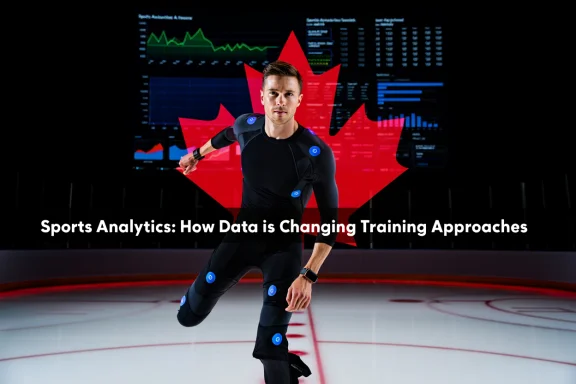
The game has changed dramatically since Hockey Canada started tracking basic shot statistics, or when the Raptors began analyzing player movement patterns. Today’s athletic performance landscape is driven by an unprecedented wealth of data that’s revolutionizing how Canadian athletes train, compete, and recover. From recreational hockey players in Kamloops to Olympic hopefuls training at the Canadian Sport Institute, data analytics has become as essential as proper equipment and conditioning.
The transformation isn’t just happening at professional levels. Community sports programs across Canada, from minor hockey associations in small Ontario towns to soccer clubs in Vancouver, are increasingly adopting analytical approaches that were once exclusive to elite professional organizations. Understanding how data drives modern training approaches can benefit athletes at every level.
The Foundation of Modern Sports Analytics
From Gut Feeling to Statistical Certainty
Traditional coaching relied heavily on experience, intuition, and observable patterns. While these elements remain valuable, data analytics provides objective measurements that eliminate guesswork and personal bias. Modern sports analytics combines multiple data streams to create comprehensive performance profiles that guide training decisions with unprecedented precision.
Biomechanical Analysis: High-speed cameras and motion sensors capture detailed movement patterns, identifying inefficiencies that human observation might miss. A hockey player’s skating stride, a swimmer’s stroke technique, or a runner’s gait can be analyzed down to millisecond timing and millimeter positioning accuracy.
Physiological Monitoring: Heart rate variability, lactate threshold measurements, and VO2 max testing provide insights into cardiovascular conditioning and recovery capacity. These metrics help determine optimal training intensities and prevent overtraining that could lead to injury or performance decline.
Performance Tracking: Statistical analysis of competition results, training session outputs, and skill execution rates creates comprehensive athlete profiles. This data identifies strengths to leverage and weaknesses requiring targeted improvement.
Statistical Methods Driving Athletic Improvement
Modern sports analytics employs sophisticated mathematical models to extract actionable insights from complex datasets:
Regression Analysis: Statistical relationships between training variables and performance outcomes guide program design. For example, correlating training volume with race times helps distance runners optimize their weekly mileage for peak performance.
Machine Learning Algorithms: Advanced computing systems identify patterns in large datasets that would be impossible for humans to detect. These systems can predict injury risk, optimal recovery periods, and performance peaks based on historical data and current metrics.
Comparative Analytics: Performance benchmarking against peer groups, historical personal bests, and sport-specific standards provides context for individual athlete development and goal setting.
Wearable Technology Revolution
Consumer-Grade Devices Making Professional Impact
The democratization of sports technology means that devices once reserved for Olympic training centers are now available at your local Canadian Tire. These consumer devices provide surprisingly sophisticated data collection capabilities:
Fitness Trackers and Smartwatches: Devices from Garmin, Polar, and Apple provide continuous heart rate monitoring, GPS tracking, and sleep quality analysis. Canadian athletes training through winter conditions particularly benefit from accurate indoor and outdoor activity tracking.
Smart Clothing Integration: Compression shirts with built-in sensors, smart socks that analyze running gait, and shorts that monitor muscle activation provide seamless data collection without additional device management.
Sport-Specific Wearables: Hockey players use sensors in gloves and sticks to analyze shot power and accuracy. Swimmers employ underwater heart rate monitors and stroke analysis devices. Basketball players track jump height, court positioning, and shooting mechanics through specialized sensor systems.
Professional-Grade Monitoring Systems
Elite athletic programs employ more sophisticated monitoring technologies:
GPS Tracking Systems: Professional teams use GPS units that capture position data multiple times per second, providing detailed analysis of movement patterns, speed variations, and tactical positioning during training and competition.
Force Plate Analysis: Platforms that measure ground reaction forces help optimize jumping technique, sprint starts, and landing mechanics. This technology is particularly valuable for Canadian winter sport athletes preparing for explosive movements.
Biomechanical Motion Capture: Multi-camera systems create 3D models of athletic movement, allowing frame-by-frame analysis of technique and identification of mechanical inefficiencies that impact performance.
Performance Tracking Methodologies
Comprehensive Data Collection Strategies
Effective sports analytics programs collect data across multiple performance dimensions:
Training Load Management: Monitoring both external load (distance covered, weights lifted, shots taken) and internal load (heart rate response, perceived exertion, recovery metrics) provides complete training stimulus assessment.
Recovery and Adaptation Tracking: Sleep quality, resting heart rate variability, and subjective wellness questionnaires help determine when athletes are ready for high-intensity training versus when recovery protocols should be prioritized.
Skill Development Metrics: Sport-specific performance indicators track technical skill improvement over time. Hockey players might track shot accuracy percentages, while swimmers monitor stroke efficiency and turn times.
Data Integration and Analysis Platforms
Modern sports analytics relies on sophisticated software platforms that integrate multiple data sources:
Cloud-Based Analytics Platforms: Services like Catapult, STATSports, and TrainingPeaks aggregate data from multiple devices and provide advanced analysis tools. These platforms allow coaches and athletes to identify trends and make data-driven training decisions.
Custom Dashboard Development: Professional teams often develop proprietary analytics dashboards that combine performance data with video analysis, medical information, and tactical insights specific to their sport and competition level.
Real-Time Feedback Systems: Advanced systems provide immediate performance feedback during training sessions, allowing for immediate technique adjustments and intensity modifications.
Canadian Success Stories in Sports Analytics
Professional Sports Leading the Way
Canadian professional sports organizations have embraced analytics as a competitive advantage:
Toronto Raptors: The NBA championship team extensively used player tracking data to optimize defensive strategies and identify undervalued players. Their analytics department analyzed everything from shot selection to player fatigue patterns throughout the season.
Hockey Analytics Revolution: Canadian NHL teams have pioneered advanced hockey analytics, moving beyond traditional statistics to analyze zone entries, shot quality, and defensive positioning. Teams like the Toronto Maple Leafs have built entire departments around data-driven player evaluation and strategy development.
Olympic Sport Integration: Canadian Olympic sport programs use analytics to identify talent, optimize training periodization, and develop competition strategies. Sports science centers across Canada employ full-time analysts to support national team athletes.
Grassroots Implementation
Community sports programs across Canada are adopting scaled-down versions of professional analytics approaches:
Youth Hockey Development: Minor hockey associations use video analysis and basic performance tracking to develop young players. Programs in hockey-focused communities like Swift Current and Peterborough have integrated analytics into their development pathways.
Running Communities: Local running clubs use group challenges and performance tracking to motivate members and track improvement. The Toronto Waterfront Marathon and other major Canadian races provide detailed analytics to all participants.
University Athletics: Canadian university sport programs use analytics for recruitment, training optimization, and competition preparation. Schools like UBC and University of Toronto have dedicated sport science departments supporting their athletic programs.
Training Program Optimization
Periodization Based on Data Insights
Traditional periodization models are being refined through data-driven insights:
Individualized Training Zones: Heart rate and power output data help establish personalized training intensities rather than using generic formulas. Canadian athletes training in varied climatic conditions particularly benefit from individualized approaches that account for environmental factors.
Recovery-Based Programming: Training schedules adapt based on recovery metrics rather than predetermined calendar schedules. Athletes train intensely when data indicates readiness and emphasize recovery when metrics suggest accumulated fatigue.
Injury Prevention Integration: Movement analysis and load monitoring help identify injury risk factors before problems develop. This proactive approach reduces time lost to preventable injuries and maintains training consistency.
Tactical and Strategic Applications
Analytics influence competitive strategy and tactical decision-making:
Opponent Analysis: Detailed scouting reports based on statistical analysis identify opponent tendencies and weaknesses. Teams can develop specific game plans based on objective data rather than subjective observations.
Lineup Optimization: Statistical analysis helps determine optimal player combinations, substitution patterns, and tactical formations based on historical performance data and matchup-specific factors.
In-Game Decision Making: Real-time analytics provide coaches with objective information during competition, supporting decisions about tactics, substitutions, and strategic adjustments.
Technology Integration Challenges
Data Management and Privacy Considerations
The proliferation of sports analytics creates new challenges for athletes and organizations:
Data Ownership and Privacy: Athletes generate vast amounts of personal health and performance data. Clear policies regarding data ownership, sharing, and privacy protection are essential, particularly given Canada’s privacy legislation requirements.
Information Overload: Too much data can overwhelm athletes and coaches, leading to analysis paralysis rather than performance improvement. Successful programs focus on key performance indicators rather than tracking everything possible.
Technology Reliability: Dependence on technology creates vulnerability when devices fail or data is lost. Backup systems and traditional coaching methods remain important components of comprehensive training programs.
Cost and Accessibility Considerations
Advanced sports analytics technology can create equity concerns:
Equipment Costs: Professional-grade monitoring systems cost thousands of dollars, potentially creating advantages for well-funded programs over community-based organizations.
Technical Expertise Requirements: Effective use of analytics requires specialized knowledge that may not be available in all coaching environments. Training and education programs help democratize access to analytical approaches.
Infrastructure Needs: Cloud-based systems require reliable internet connectivity that may not be available in all Canadian communities, particularly in remote or rural areas.
Future Directions in Sports Analytics
Emerging Technologies and Applications
Sports analytics continues evolving with new technological capabilities:
Artificial Intelligence Integration: AI systems will provide increasingly sophisticated performance predictions and training recommendations based on comprehensive data analysis of similar athletes and historical patterns.
Biometric Monitoring Advancement: Next-generation sensors will provide more detailed physiological monitoring with less intrusive devices, potentially including continuous hydration monitoring, real-time muscle fatigue assessment, and metabolic rate tracking.
Virtual and Augmented Reality: Training applications combining performance analytics with immersive technology will allow athletes to practice decision-making and technique in controlled virtual environments.
Democratization of Elite Methods
Technology trends suggest that professional-level analytics will become increasingly accessible:
Smartphone Integration: Advanced analytics capabilities integrated into smartphone apps will provide sophisticated analysis tools without requiring additional hardware investments.
Community Platform Development: Shared analytics platforms will allow amateur athletes and community programs to access professional-level analysis tools through subscription services or community partnerships.
Educational Resource Expansion: Online courses and certification programs will help coaches and athletes develop analytical skills necessary to implement data-driven training approaches effectively.
Sports analytics represents a fundamental shift in how athletes approach training and performance optimization. Canadian athletes at all levels can benefit from understanding and implementing data-driven approaches appropriate to their resources and competition goals.
Whether you’re a weekend warrior looking to improve your 10K time or a coach seeking to optimize team performance, embracing analytical approaches can provide the objective insights necessary for continuous improvement. The key lies in selecting appropriate technologies and focusing on metrics that directly impact your specific performance objectives.
Ready to integrate analytics into your training approach? Start with basic performance tracking through readily available devices and gradually incorporate more sophisticated analysis as your understanding and needs develop. The future of athletic performance is data-driven, and that future is available today.