Professional Installation Environment: Why Controlled Conditions Matter
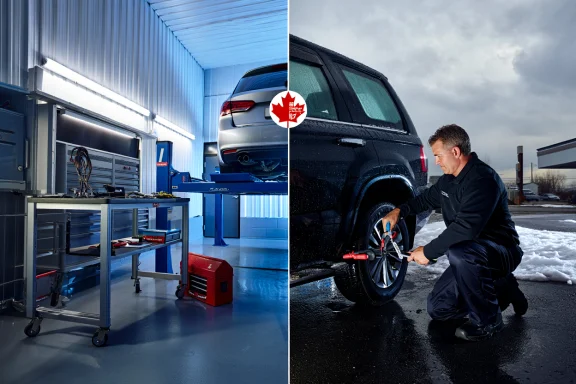
Picture this: You’ve just invested $800 in a premium remote starter system for those brutal Canadian winters. Six months later, it’s malfunctioning because moisture got into connections that weren’t properly sealed during a parking lot installation on a windy October afternoon. Sound familiar?
The installation environment – something most customers never consider – can make or break the performance and longevity of your automotive electronics. While mobile installation services offer convenience, the controlled conditions of a professional shop environment provide advantages that directly impact your investment’s reliability and lifespan.
According to industry data from the Mobile Electronics Certification Program, installations performed in controlled shop environments show 73% fewer warranty claims compared to mobile installations. That’s not coincidence – it’s the result of optimal working conditions that allow technicians to deliver consistently superior results.
The Professional Shop Advantage: Controlled Conditions for Consistent Results
Climate Control and Temperature Stability
Professional automotive electronics shops maintain consistent temperature and humidity levels that mobile installations simply cannot match. This controlled environment affects everything from adhesive curing to component performance during testing.
Optimal Installation Conditions:
- Temperature range: 18-24°C for ideal component handling and adhesive performance
- Humidity control: 30-50% relative humidity prevents condensation and static buildup
- Air filtration: Reduces dust contamination during delicate electronic work
- Consistent conditions: Eliminates weather-related installation complications
Superior Lighting for Precision Work
Proper lighting isn’t just about convenience – it’s essential for quality automotive electronics installation. Shop environments provide controlled lighting that reveals details invisible under variable outdoor conditions.
Professional Lighting Benefits:
- Full-spectrum LED work lights illuminate true wire colors for accurate connections
- Adjustable task lighting adapts to different vehicle areas and installation requirements
- Shadow elimination prevents hidden connection points from being overlooked
- UV-filtered lighting protects sensitive electronic components during installation
Consider the difference between reading wire color codes under fluorescent shop lighting versus trying to distinguish blue from purple wires in the shadow of your driveway on a cloudy afternoon. That distinction could determine whether your alarm system triggers properly or creates false alarms.
Organized Workspace and Tool Access
Professional shops organize tools, parts, and diagnostic equipment for maximum efficiency and minimum risk of component damage. This organization translates directly into installation quality and reliability.
Shop Organization Advantages:
- Dedicated work bays provide adequate space for complex installations
- Specialized tool access ensures proper techniques and torque specifications
- Parts inventory management prevents installation delays and component substitutions
- Clean work surfaces protect electronic components from contamination
Mobile Installation: Convenience at What Cost?
The Mobility Appeal
Mobile installation services offer undeniable convenience – technicians come to your home or workplace, eliminating scheduling disruptions and travel time. For busy professionals, this service model has obvious attractions.
Mobile Installation Benefits:
- Schedule flexibility accommodates customer availability
- Location convenience eliminates travel to shop facilities
- Time efficiency reduces total service time commitment
- Comfort factor allows customers to remain in familiar environment
Environmental Challenges and Limitations
However, mobile installations face inherent environmental challenges that can compromise installation quality and long-term reliability.
Common Mobile Installation Issues:
- Weather dependency affects scheduling and working conditions
- Limited lighting compromises precision and attention to detail
- Tool restrictions prevent use of specialized diagnostic equipment
- Space constraints limit access to optimal installation locations
- Power limitations restrict testing capabilities and equipment options
Real-World Impact on Installation Quality
The Insurance Corporation of British Columbia tracks warranty claims on automotive electronics installations and found notable patterns:
Shop-Based Installations:
- 4.2% warranty claim rate within first year
- Average claim value: $127 (typically minor adjustments)
- Most common issues: programming updates and user education
Mobile Installations:
- 7.8% warranty claim rate within first year
- Average claim value: $284 (often requiring reinstallation)
- Most common issues: moisture ingress, connection failures, improper mounting
Weather Impact on Installation Quality
Canadian Climate Challenges
Canada’s extreme weather conditions present unique challenges for automotive electronics installation. From Prairie winters hitting -40°C to Maritime humidity exceeding 90%, environmental factors significantly affect installation success.
Temperature Extremes:
- Cold weather makes plastic components brittle and reduces adhesive effectiveness
- Hot conditions accelerate adhesive curing before proper positioning
- Rapid temperature changes cause expansion/contraction affecting connection integrity
Moisture and Humidity:
- Rain and snow introduce moisture into installation areas
- High humidity affects electronic component handling and storage
- Condensation forms when bringing cold components into warm vehicles
Seasonal Installation Considerations
Different seasons present distinct challenges for mobile installations:
Spring Installation Issues:
- Unpredictable weather patterns disrupt mobile scheduling
- Melting snow creates moisture and debris in work areas
- Temperature fluctuations affect adhesive and sealant performance
Summer Challenges:
- Extreme heat in vehicles makes working conditions dangerous
- UV exposure degrades components during extended installations
- Afternoon thunderstorms create safety and equipment risks
Fall Complications:
- Shortened daylight hours limit mobile installation windows
- Falling leaves and debris contaminate work areas
- Preparation for winter requires enhanced sealing procedures
Winter Limitations:
- Extreme cold makes mobile installations nearly impossible
- Limited daylight hours restrict scheduling flexibility
- Battery performance issues complicate system testing
Lighting Requirements for Precision Electronics Work
The Science of Proper Illumination
Automotive electronics installation requires distinguishing between subtle color variations in wiring, reading small component markings, and identifying precise connection points. Inadequate lighting leads to installation errors that may not manifest until months later.
Critical Lighting Requirements:
- Minimum 500 lux illumination at work surface for detailed electronic work
- Color temperature 5000K-6500K for accurate color recognition
- Even light distribution eliminates shadows that hide installation details
- Adjustable intensity accommodates different vehicle areas and materials
Mobile Lighting Limitations
Mobile installations rely on portable lighting solutions that cannot match shop-based illumination:
Portable Lighting Constraints:
- Battery-powered lights provide limited duration and intensity
- Single-point lighting creates shadows and blind spots
- Weather conditions reduce natural light availability
- Generator-powered systems introduce noise and exhaust concerns
Impact on Installation Accuracy:
- Misidentified wire colors lead to incorrect connections
- Overlooked mounting points result in loose installations
- Inadequate inspection causes undetected damage or wear
- Poor visibility increases installation time and error rates
Workspace Organization and Safety Standards
Professional Shop Standards
Certified automotive electronics shops adhere to safety standards and workspace organization protocols that mobile services cannot replicate in temporary setups.
Safety Protocol Advantages:
- Fire suppression systems protect against electrical fire risks
- Proper ventilation removes adhesive fumes and solvents
- Emergency equipment access ensures rapid response to accidents
- Electrical safety measures prevent shock hazards and component damage
Tool and Equipment Access
Professional installations require specialized tools and diagnostic equipment that mobile services often cannot transport or power adequately:
Essential Shop Equipment:
- Digital multimeters for precise electrical measurements
- Oscilloscopes for signal analysis and troubleshooting
- Compression tools for professional wire terminations
- Torque specifications for proper mechanical connections
- Climate-controlled storage for electronic components
Quality Control and Testing Procedures
Shop environments enable comprehensive testing procedures that validate installation quality before customer delivery:
Professional Testing Standards:
- System functionality verification under controlled conditions
- Range testing for remote systems using calibrated equipment
- Current draw analysis to verify proper system integration
- Long-term testing capability for complex installations
Making the Right Choice: Factors to Consider
When Mobile Installation Makes Sense
Despite environmental limitations, mobile installation can be appropriate for certain situations:
Suitable Mobile Applications:
- Simple accessory installations (dash cams, phone mounts)
- Emergency service calls for basic repairs
- Fleet installations at customer facilities
- Remote locations where shop access is impractical
When Shop Installation Is Essential
Complex automotive electronics installations benefit significantly from controlled shop environments:
Shop-Required Applications:
- Remote starter systems with vehicle integration
- Comprehensive security system installations
- Audio system upgrades requiring custom fabrication
- Advanced diagnostic and programming procedures
Cost Considerations and Long-Term Value
While mobile installations often appear less expensive initially, the total cost of ownership may favor shop-based services:
Shop Installation Value Factors:
- Lower warranty claim rates reduce long-term costs
- Higher initial quality reduces repair frequency
- Professional testing prevents premature failures
- Controlled conditions ensure optimal component longevity
True Cost Analysis:
- Mobile installation: $X + higher warranty claim probability
- Shop installation: $X + 1.3 + lower lifetime service costs
- Long-term value typically favors shop-based installations
The Professional Difference: Why Environment Matters
Technician Performance Under Optimal Conditions
Professional technicians perform measurably better in controlled shop environments. Comfortable working conditions, proper lighting, and organized tool access allow focus on quality rather than environmental challenges.
Performance Improvement Factors:
- Reduced fatigue from optimal working conditions
- Increased accuracy through proper visibility and climate control
- Enhanced efficiency via organized workspace and tool access
- Improved safety through controlled environment and emergency systems
Customer Experience and Satisfaction
Shop-based installations provide superior customer experience through professional facilities, comfortable waiting areas, and comprehensive service capabilities:
Customer Experience Benefits:
- Professional atmosphere builds confidence and trust
- Comfortable facilities for consultation and waiting
- Comprehensive service including parts warranty and technical support
- Ongoing relationship for future service and upgrades
Industry Standards and Certification
Professional automotive electronics shops maintain industry certifications and standards that mobile services often cannot achieve:
Professional Standards:
- MECP certification for technicians and facilities
- Manufacturer training and authorized dealer status
- Insurance coverage protecting customer investments
- Warranty support backed by established business operations
Making an Informed Installation Decision
Your automotive electronics installation environment directly impacts system reliability, longevity, and your overall satisfaction with the investment. While mobile services offer convenience, the controlled conditions of professional shops provide measurable advantages in installation quality and long-term performance.
Consider your specific needs, the complexity of your installation, and the long-term value of your investment. For simple accessories, mobile installation might suffice. For complex systems representing significant investments – remote starters, comprehensive security systems, or premium audio installations – professional shop environments deliver superior results that justify any additional cost or scheduling requirements.
The next time you’re choosing between mobile convenience and shop-based quality, remember that your installation environment affects every aspect of your system’s performance. The controlled conditions, professional tools, and optimal working environment of a certified shop create the foundation for installations that perform reliably for years, not just months.
Choose the installation environment that matches the value of your investment and your expectations for long-term performance. Your future self – and your wallet – will thank you for prioritizing quality over convenience.