Remote Car Starter Installation: What to Expect from Professional Service
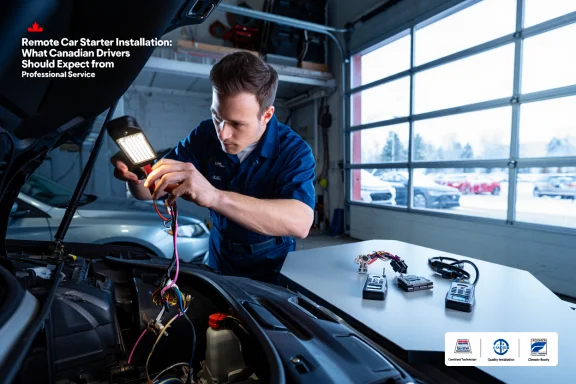
You’ve decided to join the ranks of smart Canadian drivers who start their vehicles from the warmth of their homes on frigid February mornings. But as you research remote starter installation, you’re discovering it’s more complex than swapping out a car stereo. Modern vehicles with push-button ignition, integrated security systems, and computer-controlled everything require sophisticated installation procedures that go far beyond the “splice a few wires” approach of decades past.
The difference between a professional installation and a quick-and-dirty job can mean the difference between years of reliable operation and expensive electrical problems that leave you stranded in a Saskatoon snowstorm. Understanding what proper installation involves helps you choose the right installer, ask informed questions, and ensure you get the reliable performance that makes remote starting worthwhile.
Transport Canada data shows that improperly installed automotive electronics cause thousands of roadside breakdowns annually, with electrical failures spiking during extreme weather when these systems are needed most. Let’s walk through what professional installation actually involves and how to ensure you get service that delivers years of trouble-free operation.
Pre-Installation Assessment: Setting the Foundation
Vehicle Compatibility Evaluation
Professional installers begin with comprehensive vehicle assessment to determine compatibility requirements and potential installation challenges. This evaluation prevents costly surprises and ensures optimal system selection for your specific vehicle.
Assessment Components Include:
- Factory security system identification and bypass requirements
- Ignition system type (key-based, push-button, or proximity)
- Existing wiring harness accessibility and integration points
- Available space for component mounting
- Warranty implications and manufacturer restrictions
System Selection and Customization
Not all remote starters work equally well with all vehicles. Professional installers match system capabilities to your vehicle’s requirements and your specific needs, considering factors like range requirements, smartphone integration preferences, and budget constraints.
Selection Criteria:
- Range requirements for your typical parking situations
- Integration with existing vehicle electronics
- Climate control automation capabilities
- Security system coordination requirements
- Future expansion possibilities for additional features
Documentation and Warranty Planning
Before installation begins, professional services provide detailed quotes, warranty information, and documentation requirements that protect both the installation and your vehicle’s factory warranty.
Step-by-Step Installation Process: What Happens Under the Hood
Phase 1: Vehicle Preparation and Safety Setup (30-45 minutes)
Professional installation begins with proper vehicle preparation that protects both the installer and your vehicle’s electrical systems throughout the process.
Preparation Procedures:
- Battery disconnect and electrical system isolation
- Interior protection with seat covers and floor mats
- Tool organization and component inventory verification
- Vehicle documentation and existing system photography
- Workspace setup with proper lighting and ventilation
Phase 2: Wiring Harness Integration (60-90 minutes)
The heart of remote starter installation involves connecting the aftermarket system to your vehicle’s existing wiring without cutting or splicing factory harnesses. Professional installers use vehicle-specific connection harnesses that maintain factory integrity.
Integration Process:
- Factory harness identification and access
- Bypass module installation for security system integration
- Power and ground connection establishment
- Ignition wire identification and connection
- Starter wire integration with safety interlocks
Modern vehicles require sophisticated bypass modules that communicate with factory immobilizers and security systems. These modules often cost $150-400 but are essential for reliable operation and warranty protection.
Phase 3: Control Module Installation and Programming (45-60 minutes)
The remote starter’s main control module requires careful mounting in a protected location with proper ventilation and access for future service.
Module Installation Requirements:
- Secure mounting away from heat sources and moisture
- Proper ventilation for heat dissipation
- Access for diagnostic connections and programming
- Protection from physical damage and interference
- Integration with vehicle communication networks
Phase 4: Remote System Programming and Testing (30-45 minutes)
Professional programming ensures all safety features operate correctly and the system integrates seamlessly with your vehicle’s existing electronics.
Programming Elements:
- Run time settings optimized for Canadian climate conditions
- Safety feature activation and testing
- Remote control pairing and range optimization
- Climate control integration programming
- Diagnostic system configuration for troubleshooting
Phase 5: Comprehensive System Testing (45-60 minutes)
Thorough testing verifies that all functions operate correctly under various conditions and that safety systems prevent inappropriate operation.
Testing Procedures:
- Multiple start cycles from different distances and conditions
- Safety interlock verification (hood, brake, transmission)
- Climate control activation and temperature monitoring
- Range testing in actual parking environments
- Integration verification with factory systems
Professional installers document all test results and provide demonstration of proper operation before considering the installation complete.
Timeline Expectations: How Long Professional Installation Takes
Standard Installation Duration
Most professional remote starter installations require 3-5 hours for completion, depending on vehicle complexity and system features. This timeline includes all phases from assessment through final testing and customer orientation.
Time Breakdown by Vehicle Type:
- Simple Vehicles (2010 or older): 2.5-3.5 hours
- Modern Standard Vehicles: 3.5-4.5 hours
- Luxury/Complex Vehicles: 4.5-6 hours
- Diesel Vehicles: Add 30-60 minutes for glow plug integration
- Push-Button Start Vehicles: Add 45-90 minutes for bypass complexity
Factors That Extend Installation Time
Certain vehicle characteristics and customer requirements can extend installation time beyond standard estimates. Professional installers communicate these factors upfront to set proper expectations.
Time Extension Factors:
- First-time installations on new vehicle models
- Custom feature programming requirements
- Integration with aftermarket security or audio systems
- Difficult component access requiring extensive disassembly
- Multiple system integration (security, audio, remote start combination)
Rush Installation Risks
While some installers offer “same-day” or “quick installation” services, proper remote starter installation cannot be safely rushed without compromising quality and reliability.
Common Installation Mistakes and How Professionals Avoid Them
Improper Bypass Module Selection
Many installation failures stem from incorrect or inadequate bypass modules that don’t properly communicate with factory security systems. Professional installers maintain current bypass module databases and update procedures.
Bypass Module Best Practices:
- Vehicle-specific module selection based on exact year, make, and model
- Current firmware and software updates before installation
- Proper programming procedures following manufacturer protocols
- Testing verification that factory security functions remain intact
- Documentation for warranty and future service requirements
Inadequate Wire Protection and Routing
Proper wire protection prevents damage from heat, moisture, and physical stress that could cause system failures during extreme Canadian weather conditions.
Professional Wiring Standards:
- Heat-resistant wire protection in engine bay locations
- Moisture-proof connections and waterproof connectors
- Strain relief at all connection points
- Secure routing away from moving parts and heat sources
- Proper grounding techniques for electrical stability
Insufficient Testing and Quality Assurance
Incomplete testing often results in systems that work initially but fail during extreme conditions when they’re needed most. Professional installers conduct comprehensive testing under various scenarios.
Complete Testing Requirements:
- Multiple start cycles under different temperature conditions
- Safety system verification through deliberate trigger attempts
- Range testing from actual customer parking locations
- Climate control integration verification
- Long-term reliability testing over several days
Questions to Ask Your Remote Starter Installer
Before Installation Begins
Essential Pre-Installation Questions:
- What specific bypass module will be used for my vehicle?
- How will the installation affect my factory warranty?
- What safety features are included to prevent unsafe operation?
- What is the expected range in my typical parking environments?
- How does the system integrate with my vehicle’s climate control?
During the Installation Process
Progress Verification Questions:
- Can you show me the bypass module and explain how it works?
- What safety interlocks prevent the vehicle from starting inappropriately?
- How is the wiring protected from weather and physical damage?
- What testing procedures ensure reliable operation?
- How do I know if something goes wrong with the system?
After Installation Completion
Post-Installation Questions:
- How do I operate the system safely and effectively?
- What maintenance does the system require?
- What warranty coverage is provided for parts and labor?
- Who do I contact for service or troubleshooting?
- How can the system be expanded or upgraded in the future?
Red Flags: Warning Signs of Poor Installation Service
Unrealistic Pricing or Timeline Promises
Installations quoted significantly below market rates or promised in unrealistic timeframes often involve shortcuts that compromise reliability and safety.
Warning Signs Include:
- Installation quotes below $300 for standard vehicles
- “While you wait” installation promises for complex vehicles
- No mention of bypass modules or integration requirements
- Refusal to provide written warranties or documentation
- Pressure tactics or limited-time pricing offers
Inadequate Assessment and Planning
Professional installers invest time in proper assessment and planning before beginning work. Installers who skip these steps often encounter problems that result in incomplete or poor-quality installations.
Assessment Red Flags:
- No questions about your specific needs or usage patterns
- Failure to inspect vehicle before providing quotes
- Generic system recommendations without vehicle-specific consideration
- No discussion of warranty implications or documentation requirements
- Unwillingness to explain installation procedures or timeline
Maintenance and Long-Term Care
Annual Service Recommendations
Professional remote starter systems benefit from annual inspection and maintenance, particularly before Canadian winter seasons when reliable operation becomes critical.
Annual Maintenance Items:
- Remote control battery replacement and range testing
- System connection inspection and cleaning
- Software updates and programming verification
- Climate control integration testing
- Documentation updates for warranty protection
Troubleshooting Common Issues
Understanding common remote starter problems and their solutions helps maintain reliable operation and identify when professional service is required.
Common Issues and Solutions:
- Reduced range often indicates remote battery replacement needs
- Failure to start may involve safety interlock activation
- Climate control problems usually require programming adjustments
- Intermittent operation suggests connection or power supply issues
- Complete system failure typically requires professional diagnosis
Warranty Coverage and Service Support
Installation Warranty Standards
Professional installers provide comprehensive warranties covering both parts and labor, with typical coverage periods ranging from 1-3 years depending on system complexity and installer policies.
Warranty Coverage Typically Includes:
- Parts replacement for defective components
- Labor coverage for installation-related issues
- System reprogramming and adjustment services
- Integration troubleshooting with factory systems
- Emergency service for system failures
Manufacturer vs. Installer Warranties
Understanding the difference between component manufacturer warranties and installation service warranties helps ensure proper coverage for different types of problems.
Service Network and Support
Choose installers with established service networks and support capabilities, particularly important for Canadian drivers who may need service while traveling or after relocating.
Regional Considerations Across Canada
Urban Installation Challenges
Dense urban environments present unique challenges including radio frequency interference, limited parking access for installation, and space constraints for component mounting.
Rural and Remote Area Considerations
Rural installations often require extended range capabilities and enhanced reliability features to account for longer distances to service support and harsher environmental conditions.
Provincial Regulation Variations
Some Canadian provinces and municipalities have specific regulations affecting remote starter installation and operation, particularly regarding idle time limits and noise restrictions.
Cost Expectations and Value Analysis
Transparent Pricing Structure
Professional installation pricing should include all components, labor, and testing with clear explanations of any additional costs for complex integration requirements.
Typical Cost Ranges:
- Basic Systems: $400-700 installed
- Mid-Range Systems: $700-1,200 installed
- Premium Systems: $1,200-2,000+ installed
- Complex Vehicle Surcharges: $100-400 additional
- Additional Features: $50-300 per feature
Return on Investment Calculation
Consider long-term benefits including engine protection, fuel efficiency improvements, insurance discounts, and enhanced vehicle resale value when evaluating installation costs.
Conclusion
Professional remote starter installation represents a significant investment in comfort, convenience, and vehicle protection that pays dividends throughout every Canadian winter. Understanding what proper installation involves helps ensure you receive service that delivers years of reliable operation when you need it most.
The key is choosing certified installers who understand modern vehicle electronics, use quality components designed for Canadian conditions, and provide comprehensive testing that ensures reliable operation. Taking shortcuts on installation often results in expensive problems that far exceed the cost of doing things right the first time.
Remember that remote starter installation is as much about integrating complex electronics as it is about automotive service. The most successful installations combine technical expertise with understanding of Canadian driving conditions, usage patterns, and reliability requirements.
Professional installation provides peace of mind that extends far beyond the warranty period, delivering consistent performance that makes every winter morning a little bit easier and every cold-weather drive more comfortable and safe.
Ready to enjoy the comfort and convenience of remote starting? Contact certified automotive electronics professionals in your area for comprehensive assessment, professional installation, and reliable service support that delivers optimal performance through every Canadian winter.