How Data Analytics Helps Make Smart Business Decisions
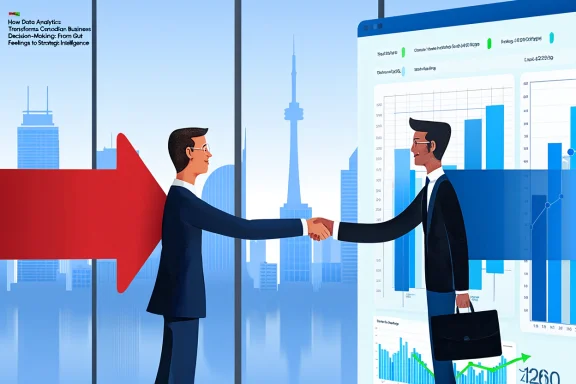
Remember when business decisions were made around boardroom tables based on experience, intuition, and whoever spoke most convincingly? Those days are disappearing faster than snow in a Calgary chinook. Today’s most successful Canadian businesses – from Tim Hortons optimizing store locations to Shopify predicting customer behavior – rely on data analytics to guide every major decision.
But here’s the thing: you don’t need to be a tech giant to harness the power of data analytics. Whether you’re running an automotive service shop in London, Ontario, managing a restaurant chain across the Maritimes, or operating a manufacturing facility in Quebec, the same analytical principles that drive billion-dollar decisions can transform your business operations.
Statistics Canada reports that Canadian businesses using formal data analytics achieve 23% higher profitability and 19% faster growth compared to those relying primarily on traditional decision-making methods. The question isn’t whether you should embrace analytics – it’s how quickly you can start using data to make smarter decisions that drive real results.
The Foundation: Understanding Business Data Analytics
What Makes Analytics Different from Regular Reports
Traditional business reporting tells you what happened yesterday, last month, or last quarter. Analytics goes several steps further, revealing why things happened, what patterns exist in your operations, and what’s likely to happen next.
Analytics Capabilities Include:
- Pattern recognition in customer behavior and operational data
- Predictive modeling for future trends and outcomes
- Optimization algorithms for resource allocation decisions
- Real-time monitoring for immediate response opportunities
- Correlation analysis revealing hidden relationships between variables
The Canadian Business Analytics Landscape
Canadian businesses face unique analytical opportunities and challenges. Our diverse economy spanning natural resources, manufacturing, services, and technology creates rich data environments, while geographic spread and seasonal variations add complexity to analytical models.
Data Collection: The Raw Material of Smart Decisions
Before analytics can work magic, you need quality data flowing through your business systems. The good news is that most Canadian businesses already collect more useful data than they realize – it’s just scattered across different systems and not being used strategically.
Core Analytics Methods That Drive Business Results
Descriptive Analytics: Understanding What Happened
Descriptive analytics forms the foundation of business intelligence, transforming raw operational data into clear insights about past performance and current trends.
Common Descriptive Applications:
- Sales performance analysis across regions, products, and time periods
- Customer behavior patterns and purchasing trends
- Operational efficiency metrics and bottleneck identification
- Financial performance breakdowns and cost center analysis
- Quality control measurements and defect rate tracking
A Canadian automotive service business might use descriptive analytics to identify that brake service requests spike 40% during the first warm week of spring, allowing better staff scheduling and parts inventory management.
Predictive Analytics: Seeing Tomorrow’s Opportunities
Predictive analytics uses historical patterns to forecast future outcomes, enabling proactive decision-making rather than reactive responses to problems after they occur.
Predictive Modeling Applications:
- Customer demand forecasting for inventory optimization
- Equipment maintenance scheduling based on failure predictions
- Sales pipeline analysis and revenue forecasting
- Market trend identification and competitive intelligence
- Risk assessment for credit decisions and project planning
Prescriptive Analytics: Optimizing Decision Outcomes
The most advanced analytics approach, prescriptive analysis, doesn’t just predict what will happen – it recommends optimal actions to achieve desired outcomes while considering constraints and trade-offs.
Optimization Examples:
- Staff scheduling algorithms balancing service levels with labor costs
- Pricing strategies maximizing revenue across product portfolios
- Supply chain route optimization reducing transportation costs
- Marketing budget allocation across channels and campaigns
- Production planning minimizing waste while meeting demand
Real-World Canadian Success Stories
Case Study: Maritime Restaurant Chain Optimization
A 25-location restaurant chain across Nova Scotia and New Brunswick implemented analytics to optimize menu offerings and staffing decisions. By analyzing point-of-sale data, weather patterns, and local event calendars, they identified that certain menu items performed dramatically better during specific conditions.
Results Achieved:
- 15% reduction in food waste through better demand prediction
- 18% improvement in staff utilization during peak periods
- 12% increase in average transaction value through optimized menu placement
- 25% reduction in inventory carrying costs
- Enhanced customer satisfaction scores through reduced wait times
The chain discovered that lobster roll sales correlated strongly with tourist bus schedules and warm weather, allowing precise inventory management that eliminated waste while ensuring availability during high-demand periods.
Case Study: Ontario Manufacturing Efficiency Project
A automotive parts manufacturer in Windsor used analytics to optimize production scheduling and quality control processes. The company collected data from production equipment, quality testing systems, and environmental monitoring sensors.
Analytical Insights:
- Temperature variations affected product quality in measurable ways
- Certain equipment combinations produced higher defect rates
- Shift changes correlated with quality fluctuations
- Raw material suppliers showed different performance patterns
- Energy consumption could be optimized without affecting output
Business Impact:
- 22% reduction in product defects through environmental control optimization
- 16% improvement in overall equipment effectiveness
- 30% reduction in energy costs through load scheduling
- 20% decrease in raw material waste
- Enhanced customer satisfaction through improved product consistency
Case Study: Alberta Service Company Growth Strategy
A Calgary-based commercial services company used customer analytics to identify expansion opportunities and optimize service delivery across Alberta’s diverse market conditions.
The analysis revealed that certain service categories performed exceptionally well in specific geographic areas and customer segments, while others showed seasonal patterns tied to Alberta’s economic cycles.
Strategic Outcomes:
- Identified three new market segments worth $2.3 million annually
- Optimized service pricing based on geographic demand patterns
- Reduced customer acquisition costs by 35% through targeted marketing
- Improved customer retention rates by 28% through predictive intervention
- Enhanced competitive positioning in underserved market segments
Building Analytics Capabilities: A Canadian Business Roadmap
Phase 1: Data Foundation and Basic Analysis
Most Canadian businesses can begin analytics initiatives using existing systems and affordable tools. The key is establishing consistent data collection and basic analytical routines.
Initial Steps Include:
- Audit existing data sources and quality
- Implement consistent data collection procedures
- Train staff on basic Excel analytics functions
- Establish key performance indicators (KPIs) and dashboards
- Begin regular data review and decision-making processes
Phase 2: Intermediate Analytics Implementation
As analytical capabilities mature, businesses can invest in dedicated analytics software and more sophisticated analysis techniques that drive deeper insights and better decisions.
Intermediate Development:
- Business intelligence software implementation
- Advanced statistical analysis training
- Predictive modeling for key business processes
- Integration of multiple data sources
- Development of analytics-driven standard operating procedures
Phase 3: Advanced Analytics and Optimization
Mature analytics capabilities enable sophisticated optimization, real-time decision support, and strategic competitive advantages through superior market intelligence and operational efficiency.
Advanced Capabilities:
- Machine learning model development and deployment
- Real-time analytics and automated decision systems
- Advanced optimization algorithms for complex business problems
- Competitive intelligence through external data integration
- Predictive maintenance and quality control systems
Essential Tools and Technologies for Canadian Businesses
Accessible Analytics Platforms
Microsoft Power BI: Integrates seamlessly with existing Microsoft Office environments common in Canadian businesses. Offers strong visualization capabilities and reasonable pricing for small to medium enterprises.
Google Analytics and Google Data Studio: Free tools providing sophisticated website and customer analytics capabilities, particularly valuable for businesses with online components.
Tableau: Industry-leading data visualization platform used by major Canadian corporations and increasingly accessible to smaller businesses through cloud-based pricing models.
Industry-Specific Solutions
Different Canadian industries benefit from specialized analytics platforms designed for specific operational requirements and regulatory environments.
Sector-Specific Tools:
- Retail: Shopify Analytics, Lightspeed Analytics
- Manufacturing: Wonderware, GE Digital Predix
- Healthcare: Epic Analytics, Cerner HealtheLife
- Financial Services: SAS Risk Management, IBM SPSS
- Transportation: Geotab Fleet Analytics, Samsara
Open Source and Budget-Friendly Options
Canadian small businesses can access powerful analytics capabilities through open-source platforms and cloud-based services that scale with business growth.
Cost-Effective Solutions:
- R and Python: Free programming languages with extensive analytics libraries
- Apache Superset: Open-source business intelligence platform
- Metabase: User-friendly open-source analytics tool
- Google Sheets: Advanced functions and add-ons for basic analytics
Data Collection Strategies That Work
Point-of-Sale and Transaction Analytics
Every customer interaction generates valuable data that can inform inventory decisions, pricing strategies, and customer service improvements. Modern POS systems capture far more than just transaction amounts.
POS Data Gold Mines:
- Customer purchase patterns and frequency
- Product performance across different time periods
- Staff efficiency and upselling effectiveness
- Payment method preferences and processing costs
- Return and refund patterns indicating quality issues
Operational Efficiency Data
Internal operations generate continuous data streams that reveal optimization opportunities often invisible to daily management oversight.
Operational Analytics Sources:
- Equipment performance and maintenance records
- Energy consumption patterns and cost optimization opportunities
- Staff productivity measurements and training needs identification
- Supplier performance tracking and vendor optimization
- Quality control measurements and process improvement indicators
Customer Behavior and Satisfaction Analytics
Understanding customer behavior beyond transaction data provides insights for service improvements, retention strategies, and growth opportunities.
Customer Analytics Applications:
- Website behavior and conversion optimization
- Social media engagement and sentiment analysis
- Customer service interaction analysis
- Loyalty program effectiveness measurement
- Market research and competitive positioning analysis
Overcoming Common Analytics Implementation Challenges
Data Quality and Consistency Issues
Poor data quality represents the biggest threat to successful analytics implementation. Canadian businesses must establish data governance procedures that ensure accuracy, consistency, and completeness.
Data Quality Best Practices:
- Standardized data entry procedures and validation rules
- Regular data auditing and cleaning processes
- Clear definitions for all measured variables and metrics
- Integration protocols for multiple data sources
- Staff training on data collection importance and procedures
Skills Gap and Training Requirements
Many Canadian businesses struggle with analytics implementation due to limited internal expertise. Addressing this challenge requires strategic investment in training and potentially external expertise.
Skill Development Strategies:
- Online training through platforms like Coursera and edX
- Local college and university continuing education programs
- Industry association workshops and certification programs
- Consulting partnerships for initial implementation and knowledge transfer
- Gradual internal capability building through hands-on experience
Technology Integration Complexity
Connecting different business systems for comprehensive analytics can present technical challenges, particularly for businesses with legacy systems or limited IT infrastructure.
Integration Solutions:
- Cloud-based analytics platforms that connect to existing systems
- Professional implementation services for complex integrations
- Phased rollout strategies that build capabilities incrementally
- Standardized data export procedures for manual integration
- Upgrade planning that improves analytics capabilities over time
Industry-Specific Analytics Applications
Retail and Customer Service Analytics
Canadian retail businesses use analytics to optimize everything from store layouts to staffing schedules, while service businesses focus on customer satisfaction and operational efficiency metrics.
Manufacturing and Production Analytics
Ontario and Quebec manufacturers leverage analytics for quality control, equipment optimization, and supply chain management that directly impact competitiveness in global markets.
Professional Services Analytics
Law firms, accounting practices, and consulting companies across Canada use analytics to optimize billing, resource allocation, and client service delivery while managing regulatory compliance requirements.
Getting Started: Your Analytics Action Plan
Week 1: Data Inventory and Quick Wins
Begin by cataloging existing data sources and identifying immediate opportunities for basic analysis using current tools and capabilities.
Month 1: Foundation Building
Establish consistent data collection procedures, basic KPI dashboards, and regular analytical review processes that become part of normal business operations.
Quarter 1: Expansion and Training
Implement dedicated analytics tools, provide staff training, and begin more sophisticated analysis that drives operational improvements and strategic insights.
Year 1: Strategic Integration
Develop analytics-driven decision-making processes, optimize operations based on data insights, and establish competitive advantages through superior business intelligence.
Conclusion
Data analytics represents one of the most powerful competitive advantages available to Canadian businesses today, regardless of size or industry. The ability to make decisions based on solid evidence rather than assumptions creates measurable improvements in efficiency, profitability, and customer satisfaction.
The transformation doesn’t require massive technology investments or armies of data scientists. It starts with recognizing that your business already generates valuable data and taking systematic steps to analyze and act on that information effectively.
Canadian businesses that embrace analytics today position themselves for sustained success in an increasingly data-driven economy. Those that delay analytics adoption risk falling behind competitors who make faster, smarter decisions based on solid evidence rather than guesswork.
The tools are available, the techniques are proven, and the benefits are measurable. The only question is when you’ll start using data analytics to transform your business decision-making from reactive to proactive, from uncertain to confident, and from good enough to optimally effective.
Ready to transform your business decision-making through data analytics? Start by identifying your most critical business decisions and the data that could improve them, then take the first steps toward analytics-driven growth and optimization.